
Chronic pancreatitis is not just a digestive problem—it is a long-term medical condition that can deeply affect daily life if ignored. Persistent abdominal pain, poor digestion, and repeated hospital visits often leave patients confused and anxious. The good news is that with timely diagnosis, expert care, and the right treatment approach, patients can manage symptoms effectively and improve their quality of life.
At Shri Harikrishan Nursing Home, Hazaribagh, patients receive structured and compassionate care for chronic pancreatitis under experienced medical supervision, including advanced diagnostic and treatment facilities.
1. What Is Chronic Pancreatitis?
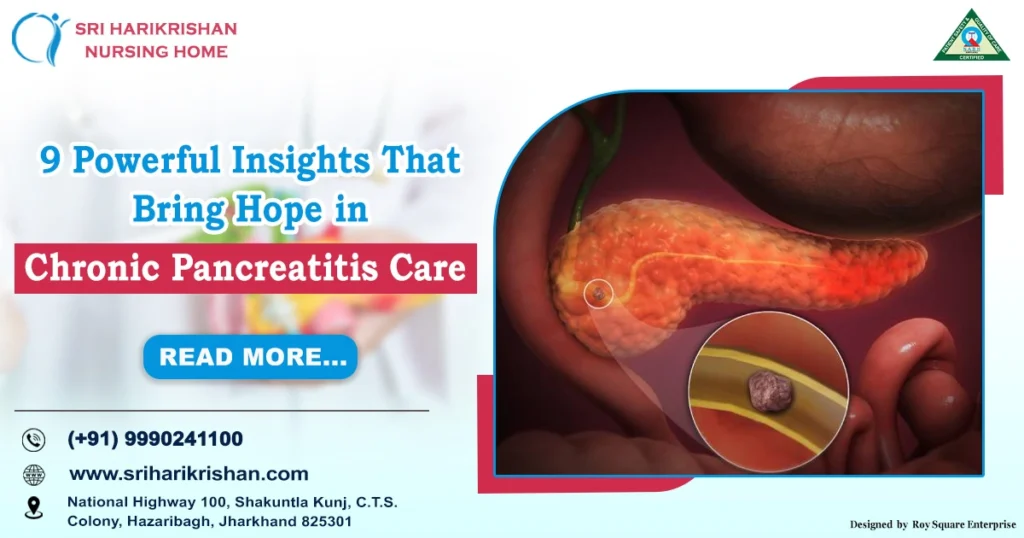
Chronic pancreatitis is a long-standing inflammation of the pancreas that leads to permanent damage. Over time, the pancreas loses its ability to produce digestive enzymes and insulin, affecting digestion and blood sugar control.
Unlike acute pancreatitis, this condition progresses slowly and often presents with recurring symptoms that worsen if left untreated.
2. Sudden Abdominal Pain Causes – How to Know It’s Serious
Not all abdominal pain is harmless. In chronic pancreatitis, pain usually:
- Occurs in the upper abdomen
- Radiates to the back
- Worsens after meals
- Persists for weeks or months
Warning signs to watch for:
- Sudden severe abdominal pain
- Unexplained weight loss
- Greasy or foul-smelling stools
- Frequent nausea or vomiting
If these symptoms appear repeatedly, immediate medical evaluation is essential.
3. Why Chronic Pancreatitis Is a Medical Emergency
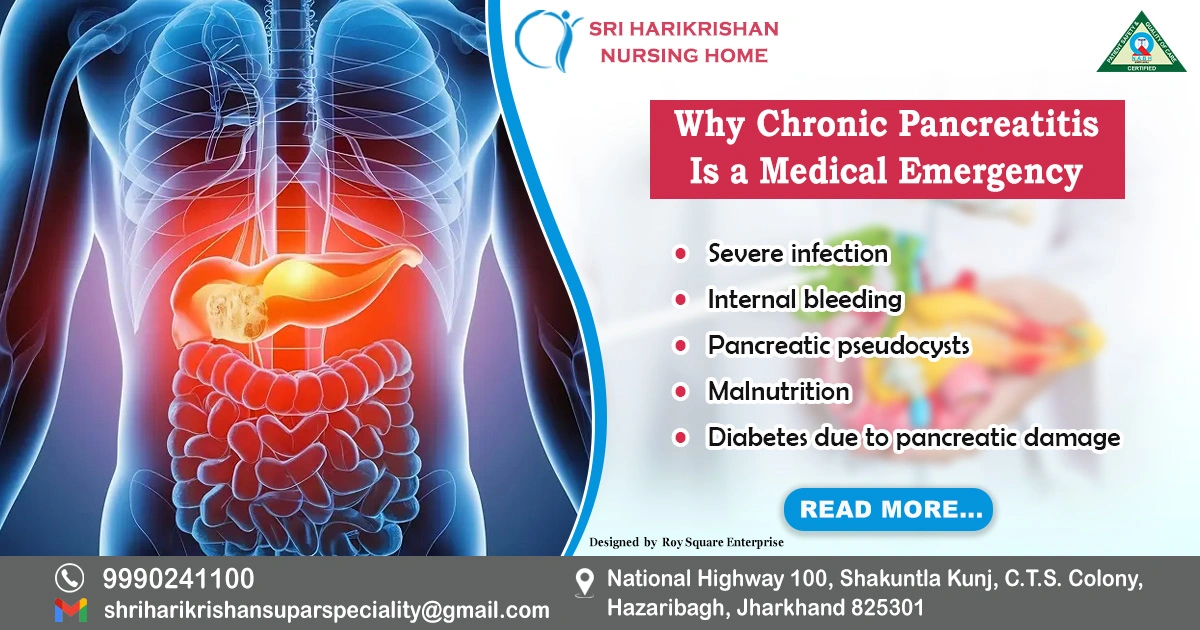
Chronic pancreatitis becomes an emergency when complications develop, such as:
- Severe infection
- Internal bleeding
- Pancreatic pseudocysts
- Malnutrition
- Diabetes due to pancreatic damage
Advanced pancreatitis medical emergencies require hospital-based care, pain control, nutritional support, and sometimes surgical intervention to prevent life-threatening outcomes.
4. Diagnosis Before Chronic Pancreatitis Treatment
Accurate diagnosis is the foundation of effective treatment. Doctors may recommend:
- Blood tests to check enzyme levels
- Ultrasound or CT scan of the abdomen
- MRI or MRCP for detailed pancreatic imaging
- Endoscopic investigations if needed
Early diagnosis helps slow disease progression and reduces long-term complications.
5. Urgent Treatment Options for Chronic Pancreatitis
Treatment focuses on symptom control and preventing further damage. Options include:
Medical Management
- Pain relief medications
- Pancreatic enzyme supplements
- Acid-reducing medicines
- Diabetes management if required
Endoscopic Treatment
- Drainage of pancreatic ducts
- Removal of blockages or stones
Surgical Treatment
In advanced cases, surgery may be needed to relieve pain or manage complications. Procedures are planned carefully to preserve pancreatic function as much as possible.
6. Recovery Time & Long-Term Management
Chronic pancreatitis requires long-term care rather than quick recovery. While symptoms can be controlled within weeks, full stabilization may take months.
Recovery depends on:
- Severity of pancreatic damage
- Patient’s lifestyle changes
- Consistency with medications
- Nutritional support
Regular follow-ups are essential to monitor progress.
7. Lifestyle Suggestions for Better Pancreatic Health
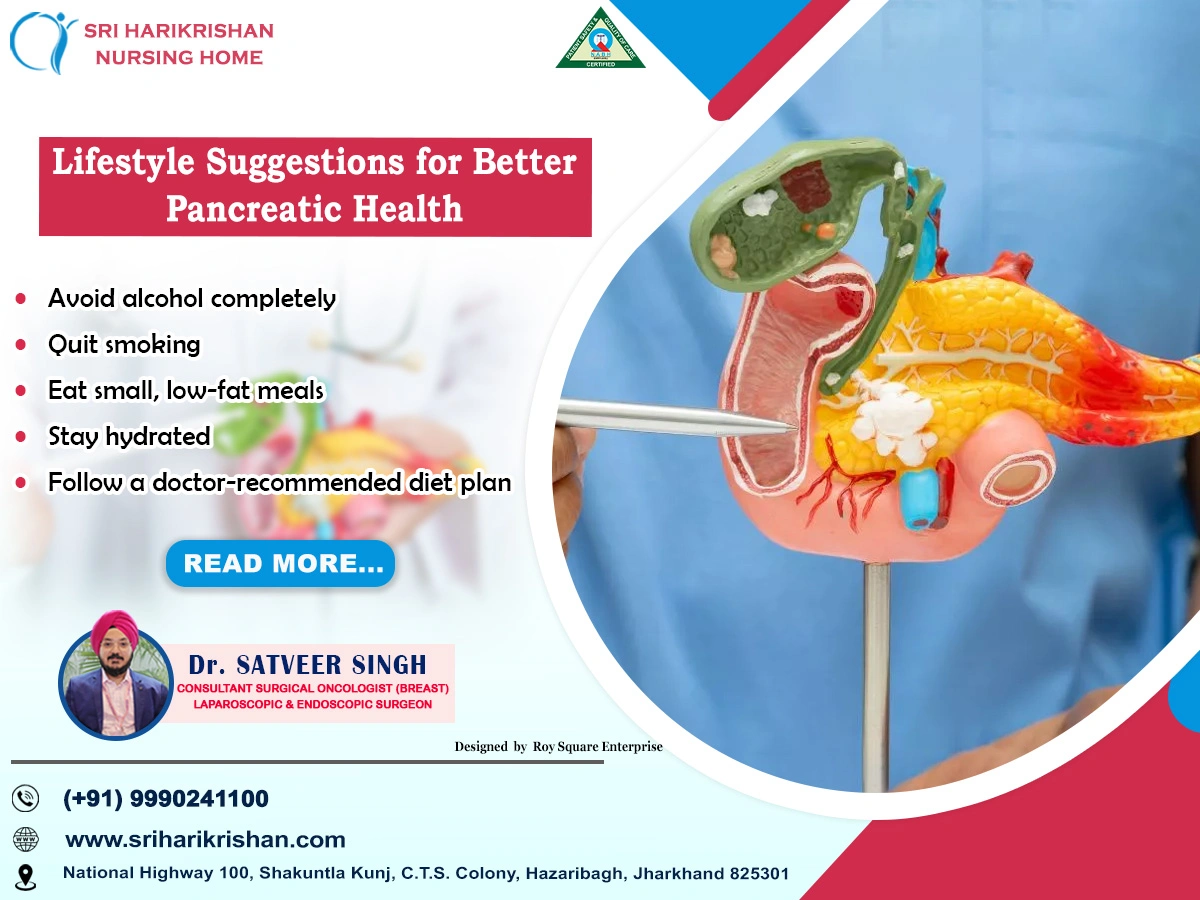
Simple lifestyle changes can significantly reduce symptoms:
- Avoid alcohol completely
- Quit smoking
- Eat small, low-fat meals
- Stay hydrated
- Follow a doctor-recommended diet plan
These steps help reduce pancreatic stress and improve digestion.
8. Key Benefits of Early & Expert Treatment
- Better pain control
- Reduced hospital admissions
- Improved digestion and nutrition
- Lower risk of diabetes
- Enhanced overall quality of life
Seeking care from an experienced specialist ensures a structured and patient-focused treatment plan.
9. Role of a Pancreatitis Specialist Doctor
Management of chronic pancreatitis requires expertise across diagnosis, endoscopy, and surgical care.
Dr. Satveer Singh, consultant Surgical Oncologist (Breast), proctologist, Endoscopic Surgeon, Laparoscopic & Back Pain Specialist, plays a vital role in evaluating complex abdominal conditions and guiding patients toward appropriate treatment at Shri Harikrishan Nursing Home, Hazaribagh.
His multidisciplinary approach ensures safe diagnosis, timely intervention, and long-term patient support.
10. Why Choose Shri Harikrishan Nursing Home, Hazaribagh
- Advanced diagnostic facilities
- Experienced endoscopic and surgical care
- Patient-centered treatment plans
- Emergency management support
- Trusted care under specialist Dr. Satveer Singh
The hospital focuses on timely diagnosis, compassionate care, and long-term disease management.
11. Conclusion
Chronic pancreatitis is a serious condition, but it does not have to control your life. Early recognition of symptoms, expert diagnosis, and a disciplined treatment approach can help patients live healthier and more comfortable lives.
1. Is chronic pancreatitis curable?
It cannot be reversed, but symptoms can be well controlled.
2. Can chronic pancreatitis be life-threatening?
Yes, if complications are ignored.
3. How long does recovery take?
Symptom relief may take weeks; management is lifelong.
4. Is surgery always required?
No, many patients improve with medical and endoscopic care.
5. Can chronic pancreatitis cause diabetes?
Yes, due to pancreatic damage.
6. What foods should be avoided?
Fatty, fried, and alcohol-based foods.
7. Does pain reduce over time?
With treatment, pain can significantly improve.
8. Are enzyme supplements necessary?
Yes, if digestion is affected.
9. Is hospitalization required?
During severe flare-ups or complications, yes.
10. When should I see a specialist?
If pain is persistent or digestion worsens.