

A Positive, Powerful & Complete Guide to Early Action, Safer Treatment, and Faster Recovery
Gall bladder problems often start quietly but can turn serious without warning. Many people ignore repeated abdominal pain, indigestion, or nausea, assuming it is just a stomach issue. In reality, gall bladder disease—especially gall stones—can suddenly become life-threatening and demand urgent laparoscopic gall bladder surgery.
This guide is written in a clear, human, and professional way to help you understand when gall bladder surgery becomes an emergency, how to recognize the warning signs, and why timely treatment can truly save lives.
1. Introduction
Gall bladder disorders are among the most common abdominal problems seen today. With changing diets, sedentary lifestyles, and stress, gall stones and gall bladder infections are affecting people at younger ages than ever before.
At Shri Harikrishan Nursing Home, Hazaribagh, patients receive advanced and timely care for gall bladder emergencies under the guidance of experienced surgeon Dr. Satveer Singh, Consultant Surgical Oncologist (Breast), Proctologist, Endoscopic Surgeon, Laparoscopic & Back Pain Specialist. His clinical expertise emphasizes early diagnosis and minimally invasive treatment to prevent complications.
2. What Is Laparoscopic Gall Bladder Surgery?
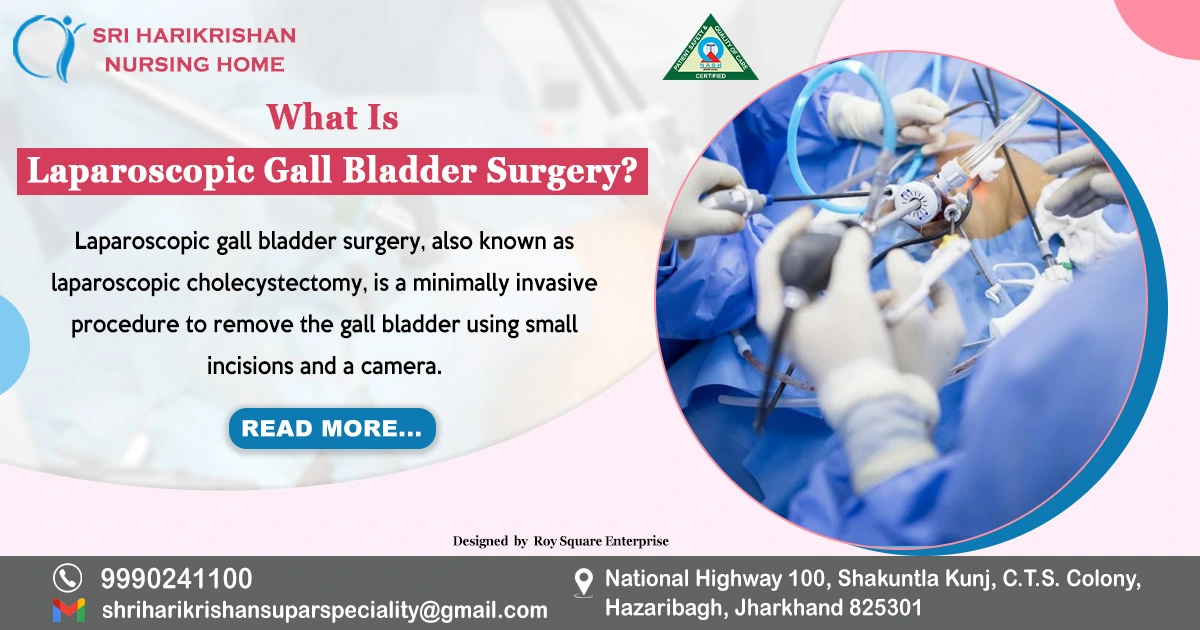
Laparoscopic gall bladder surgery, also known as laparoscopic cholecystectomy, is a minimally invasive procedure to remove the gall bladder using small incisions and a camera.
Key benefits:
- Smaller cuts and minimal scarring
- Less pain after surgery
- Shorter hospital stay
- Faster recovery
- Lower risk of infection
When gall bladder disease becomes severe or complicated, this surgery is often the safest and quickest solution.
3. How to Know If Gall Bladder Surgery Is an Emergency
Gall bladder surgery becomes an emergency when symptoms are sudden, severe, or worsening, and do not improve with medicines.
Warning signs include:
- Severe pain in the upper right abdomen
- Pain spreading to the back or right shoulder
- Persistent vomiting
- Fever with chills
- Yellowing of eyes or skin (jaundice)
- Dark urine or pale stools
Ignoring these signs can lead to serious complications.
4. 8 Powerful Reasons Gall Bladder Surgery Should Not Be Delayed
1. Severe Gall Stone Attacks
Sudden blockage of bile flow by stones can cause intense pain and inflammation that needs immediate surgical treatment.
2. Acute Cholecystitis (Gall Bladder Infection)
An infected gall bladder can rupture if not treated urgently.
3. Risk of Gangrene
Delayed treatment may cut off blood supply to the gall bladder, leading to tissue death.
4. Bile Duct Blockage
Stones can block bile ducts, affecting the liver and pancreas.
5. Pancreatitis
Gall stones are a major cause of acute pancreatitis, which can be life-threatening.
6. Gall Bladder Rupture
A burst gall bladder spreads infection inside the abdomen.
7. Repeated Hospital Admissions
Frequent pain episodes indicate worsening disease that needs surgery.
8. Increased Surgical Risk with Delay
Early laparoscopic surgery is safer than delayed emergency open surgery.
5. Causes of Emergency Gall Bladder Conditions
- Gall stones blocking bile flow
- Gall bladder infection
- Long-standing untreated gall stones
- High-fat diet
- Obesity
- Rapid weight loss
- Hormonal changes
6. Risk Factors You Should Never Ignore
- Age above 40
- Female gender
- Obesity or diabetes
- Family history of gall stones
- Pregnancy
- Sedentary lifestyle
- High cholesterol levels
People with these risk factors should never ignore gall bladder symptoms.
7. Diagnosis: How Doctors Confirm the Emergency
Doctors use a combination of:
- Ultrasound of the abdomen
- Blood tests (infection and liver markers)
- CT scan in complicated cases
- Clinical examination
Early diagnosis allows safe laparoscopic surgery instead of risky emergency operations.
8. Urgent Treatment Options
Immediate management includes:
- Pain control
- Antibiotics for infection
- IV fluids
Definitive treatment:
Emergency laparoscopic gall bladder surgery
Under experienced hand Dr. Satveer Singh at Shri Harikrishan Nursing Home, patients receive timely surgical care with modern laparoscopic techniques.
9. Important Suggestions Before and After Surgery
Before Surgery:
- Do not ignore repeated pain
- Avoid fatty foods
- Follow medical advice strictly
After Surgery:
- Walk early as advised
- Eat light, healthy meals
- Stay hydrated
- Attend follow-up visits
10. Recovery After Laparoscopic Gall Bladder Surgery
Most patients:
- Go home within 1–2 days
- Resume normal activities in a week
- Return to work within 7–10 days
Proper care ensures a smooth and fast recovery.

11. Possible Complications If Surgery Is Delayed
- Gall bladder rupture
- Severe infection (sepsis)
- Liver damage
- Pancreatitis
- Prolonged hospital stay
- Higher surgical risk
Early surgery prevents these complications.
12. Why Choose Shri Harikrishan Nursing Home, Hazaribagh
- Advanced laparoscopic facilities
- Experienced surgical team
- Emergency care availability
- Patient-focused treatment
- Trusted leadership under Dr. Satveer Singh, known for precision and patient safety
13. Conclusion
Laparoscopic gall bladder surgery is not just a routine procedure—it can be life-saving when performed at the right time. Ignoring symptoms or delaying treatment can turn a manageable condition into a dangerous emergency.
Early consultation, timely diagnosis, and expert surgical care at Shri Harikrishan Nursing Home, Hazaribagh ensure safer outcomes, quicker recovery, and peace of mind.
1. Is gall bladder surgery always an emergency?
No, but complications can make it urgent.
2. Can gall stones dissolve with medicine?
Usually no. Surgery is the best solution.
3. Is laparoscopic surgery safe?
Yes, it is the gold standard today
4. How long does surgery take?
About 45–60 minutes.
5. Is gall bladder removal necessary?
Yes, in symptomatic gall stones.
6. Can I live normally without a gall bladder?
Absolutely, with minor diet changes.
7. Is pain severe after surgery?
Pain is minimal and short-lived.
8. When can I eat after surgery?
Usually within 6–8 hours.
9. What happens if I delay surgery?
Risk of emergency complications increases.
10. Who should perform the surgery?
An experienced laparoscopic surgeon.