
1. Introduction
Stomach and digestive issues are often ignored, assuming they will settle on their own. However, some gastro problems can quickly turn serious and demand urgent medical care. Severe diarrhea, vomiting, dehydration, or abdominal pain can be warning signs of a medical emergency.
At Shri Harikrishan Nursing Home, Hazaribagh, patients with acute gastro conditions receive prompt and effective care under the guidance of experienced specialist Dr. Satveer Singh, Consultant Surgical Oncologist (Breast), Proctologist, Endoscopic Surgeon, Laparoscopic & Back Pain Specialist, ensuring timely diagnosis and life-saving treatment.
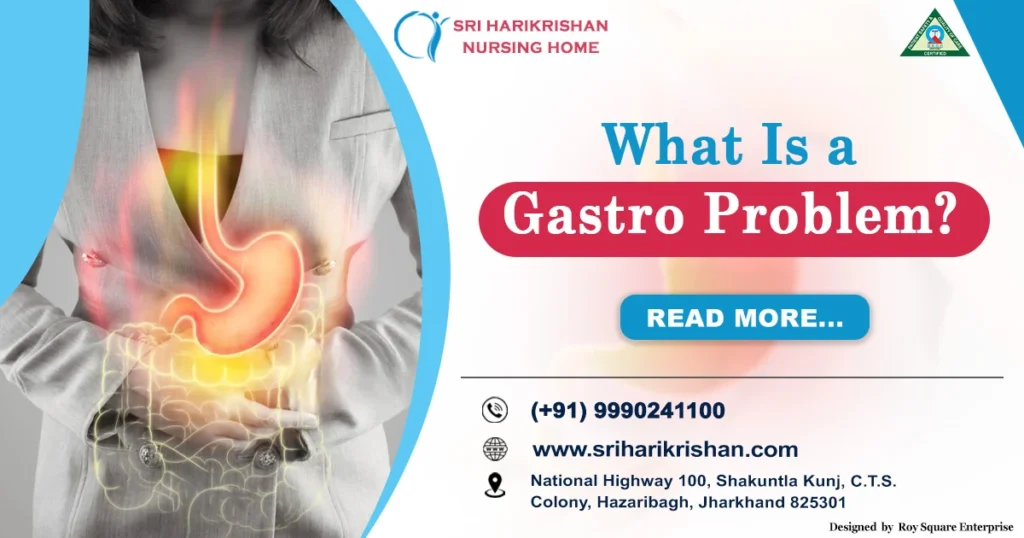
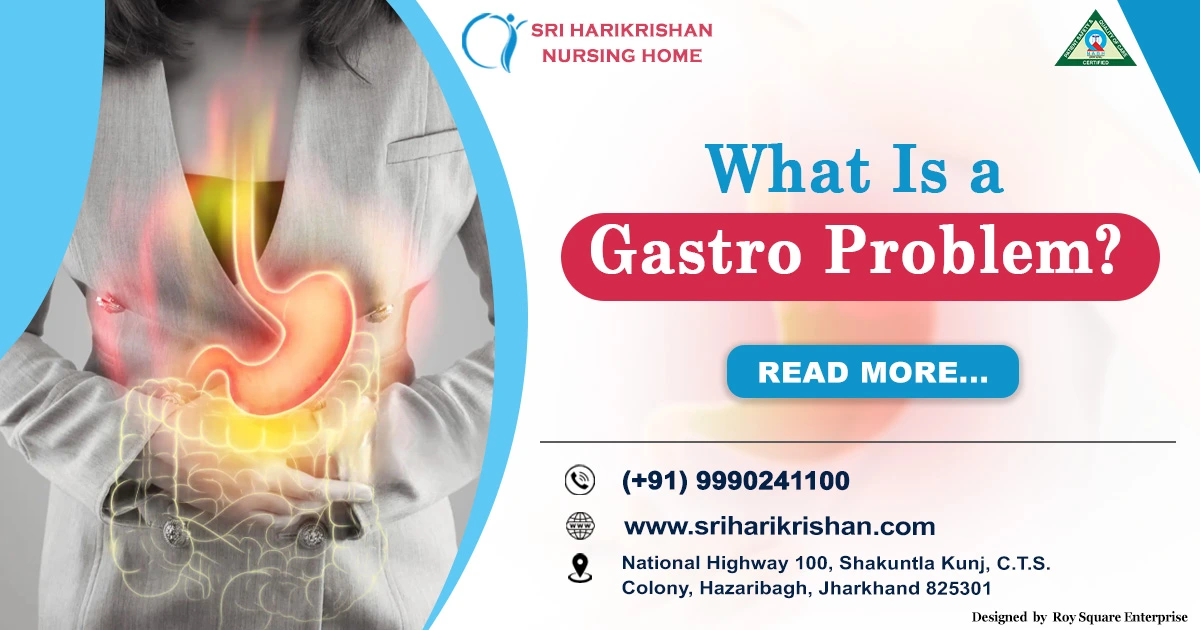
2. What Is a Gastro Problem?
A gastro problem, commonly known as gastroenteritis, refers to inflammation or infection of the stomach and intestines. It affects digestion and leads to symptoms like diarrhea, vomiting, stomach pain, and weakness.
Gastro problems may be mild in some cases, but severe gastro conditions can become life-threatening, especially if dehydration or infection spreads.
3. Common Causes of Gastro Problems
Gastro problems usually arise due to infections or contamination.
Major Causes Include
- Viral infections (most common)
- Bacterial infections from contaminated food or water
- Food poisoning
- Poor hygiene practices
- Consumption of stale or undercooked food
- Weakened immune system
Identifying the cause early helps in faster recovery.
4. Symptoms You Should Never Ignore
Certain symptoms indicate that a gastro problem has become serious.
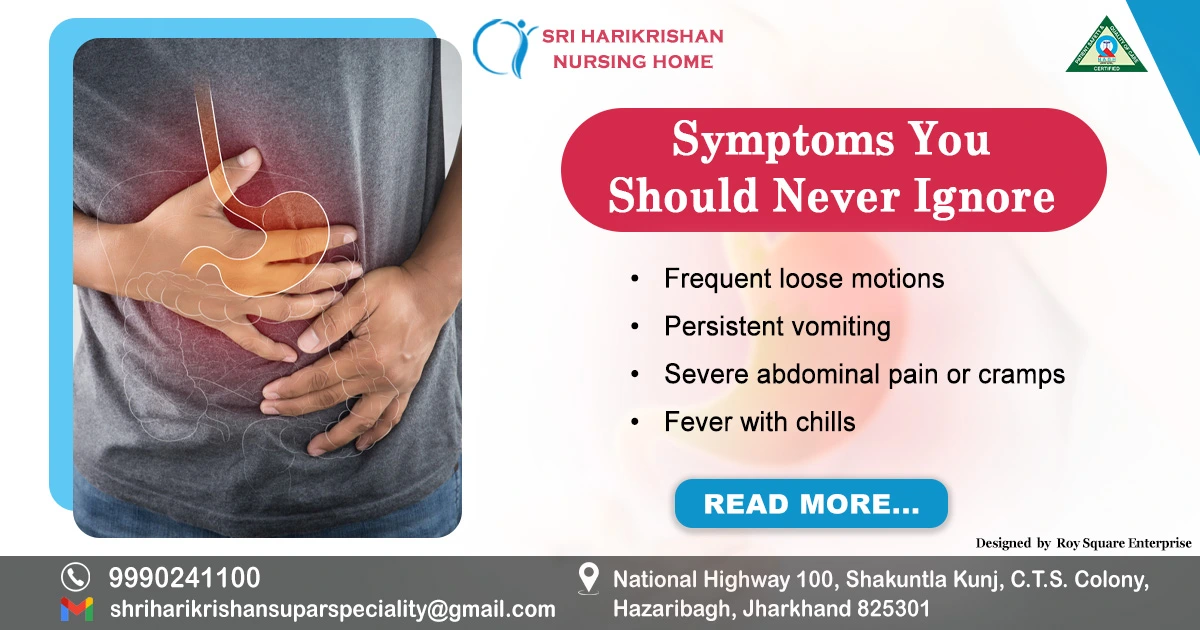
Warning Symptoms
- Frequent loose motions
- Persistent vomiting
- Severe abdominal pain or cramps
- Fever with chills
- Blood or mucus in stool
- Extreme weakness or dizziness
- Signs of dehydration (dry mouth, reduced urine)
If these symptoms appear, immediate medical attention is essential.
5. Risk Factors
Some people are more vulnerable to severe gastro complications.
High-Risk Groups Include
- Children and elderly individuals
- People with weak immunity
- Diabetic patients
- Malnourished individuals
- People consuming unsafe food or water
- Those with chronic digestive conditions
These individuals should never delay treatment.
6. Diagnosis of Gastro Problems
Diagnosis depends on symptoms and clinical evaluation.
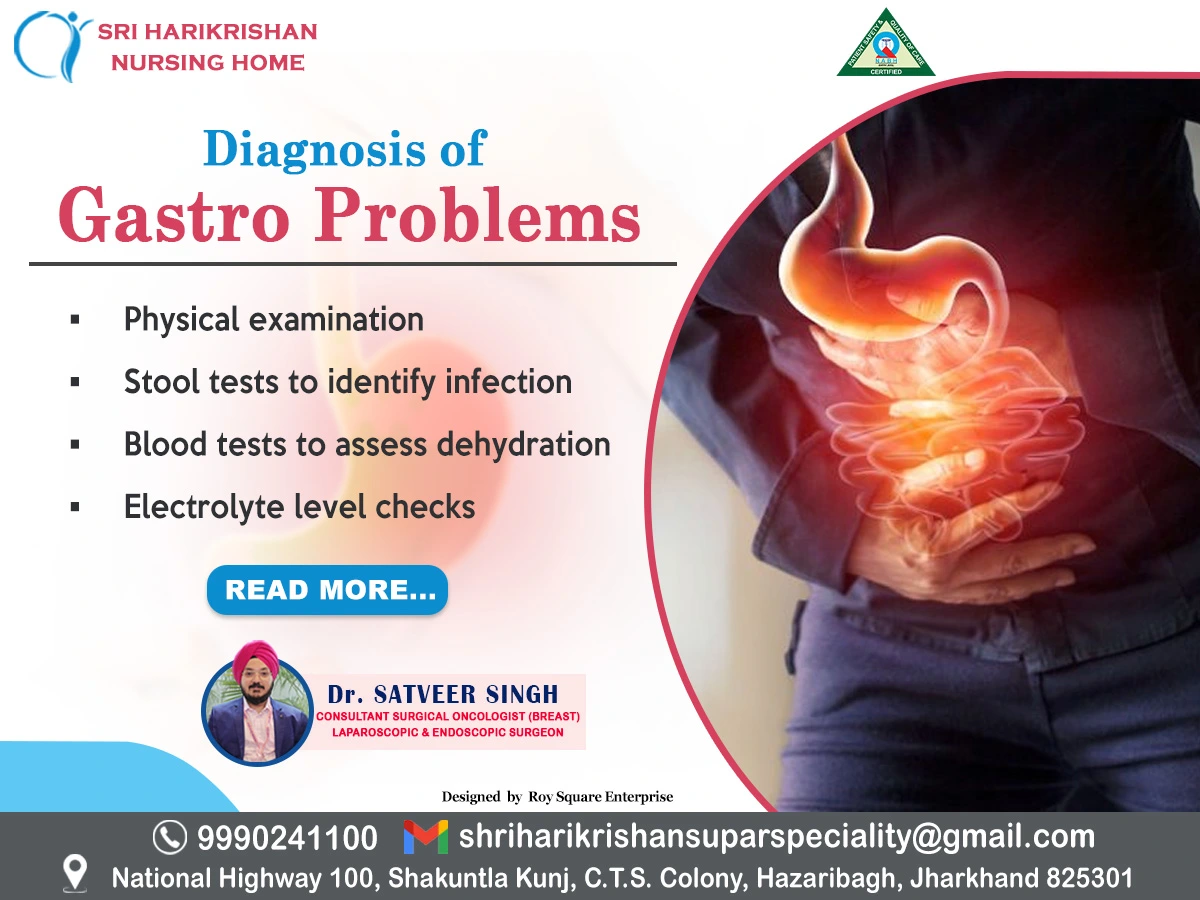
Common Diagnostic Methods
- Physical examination
- Stool tests to identify infection
- Blood tests to assess dehydration
- Electrolyte level checks
- Imaging tests in severe abdominal pain
At Shri Harikrishan Nursing Home, accurate diagnosis helps doctors begin immediate and targeted treatment.
7. Urgent Treatment Options
Severe gastro problems require quick medical intervention to prevent complications.
Emergency Treatment Includes
- Oral or intravenous fluids
- Electrolyte replacement
- Medications to control vomiting and diarrhea
- Antibiotics (if bacterial infection is confirmed)
- Nutritional support
- Hospital admission in severe cases
Under the supervision of Dr. Satveer Singh, patients receive safe, structured, and compassionate care focused on rapid recovery.
8. Possible Complications
Ignoring severe gastro symptoms can lead to serious health risks.
Potential Complications
- Severe dehydration
- Electrolyte imbalance
- Kidney failure
- Low blood pressure
- Shock in extreme cases
- Prolonged weakness
Early treatment completely prevents these outcomes.
10. Why Choose Shri Harikrishan Nursing Home, Hazaribagh
Shri Harikrishan Nursing Home is a trusted center for emergency and digestive care, offering:
- Rapid emergency response
- Experienced medical and surgical specialists
- Advanced diagnostic facilities
- Safe IV fluid and infection management
- Patient-focused care guided by Dr. Satveer Singh, Consultant Surgical Oncologist (Breast), Proctologist, Endoscopic Surgeon, Laparoscopic & Back Pain Specialist
The hospital prioritizes early intervention and complete recovery.
11. Conclusion
A gastro problem should never be taken lightly. What seems like simple diarrhea or vomiting can quickly turn into a medical emergency if ignored. Recognizing warning signs and seeking timely medical care can save lives.
With expert treatment available at Shri Harikrishan Nursing Home, Hazaribagh, patients can recover safely and regain digestive health with confidence and peace of mind.
1. Is gastro a medical emergency?
Yes, severe cases can be life-threatening.
2. Can gastro heal on its own?
Mild cases may, but severe symptoms need treatment.
3. How long does gastro last?
Usually 2–7 days, depending on severity.
4. Is vomiting dangerous in gastro?
Yes, it can cause dehydration.
5. When should I see a doctor?
If symptoms persist beyond 24 hours or worsen.
6. Is gastro contagious?
Yes, especially viral gastro.
7. Can children get severe gastro?
Yes, children are at higher risk.
8. Is hospital treatment necessary?
In severe dehydration or weakness, yes.
9. What foods should be avoided?
Spicy, oily, and outside food.
10. Can gastro be prevented?
Yes, through hygiene and safe food practices.