
Anal fissure is a common but often painful condition that many people ignore out of hesitation or lack of awareness. While some fissures heal with proper care, delayed treatment may lead to chronic pain and complications. Understanding the symptoms, causes, and treatment options helps in taking timely action and preventing long-term discomfort.
This guide explains everything in a clear and practical way.
1. What is an Anal Fissure?
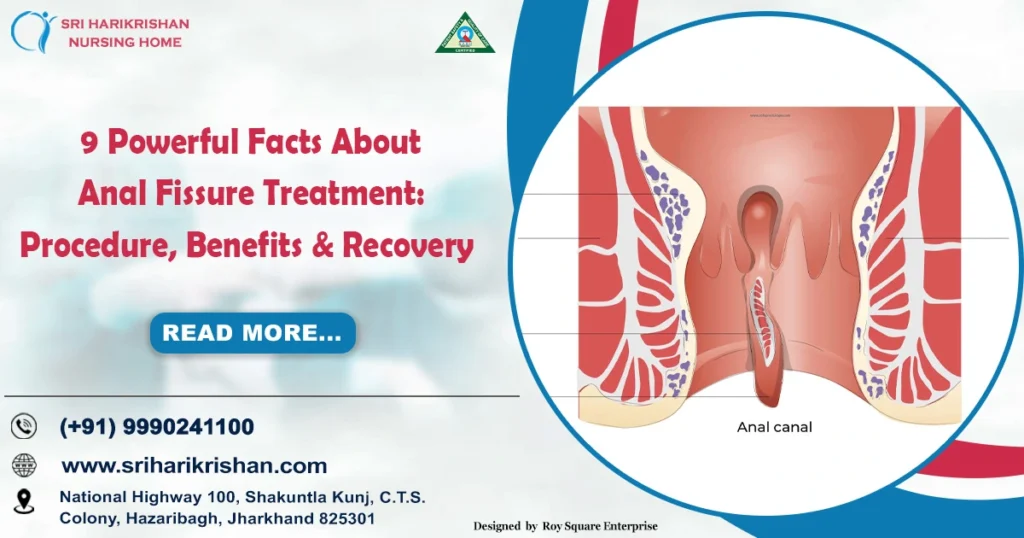
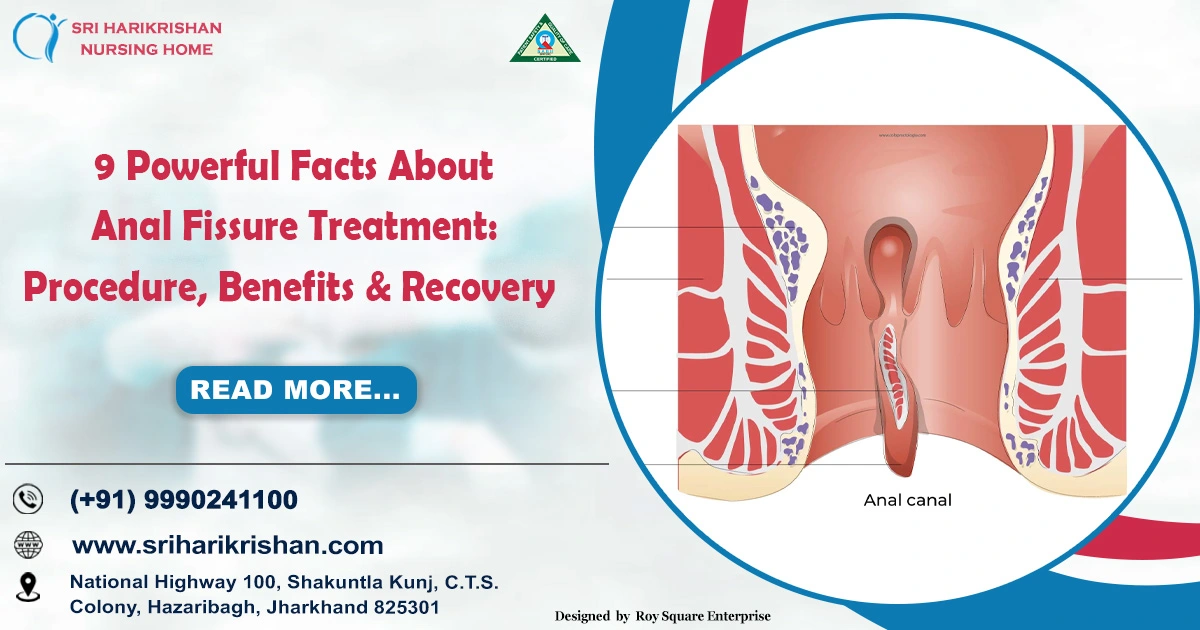
An anal fissure is a small tear or cut in the lining of the anal canal. Even though the tear may be small, the pain can be intense because the area is sensitive and constantly used during bowel movements.
Fissures are usually classified into:
- Acute fissure – Recent tear that heals within a few weeks
- Chronic fissure – Long-standing tear that may require medical or surgical treatment
Many patients delay treatment due to embarrassment, but early care makes recovery faster and easier.
2. Common Symptoms of Anal Fissure
Recognizing symptoms early helps prevent complications.
Typical symptoms include:
- Sharp pain during bowel movement
- Burning sensation after passing stool
- Bright red blood on toilet paper
- Itching or irritation around the anus
- Pain lasting minutes to hours after passing stool
Persistent pain is often the main reason patients seek medical help.
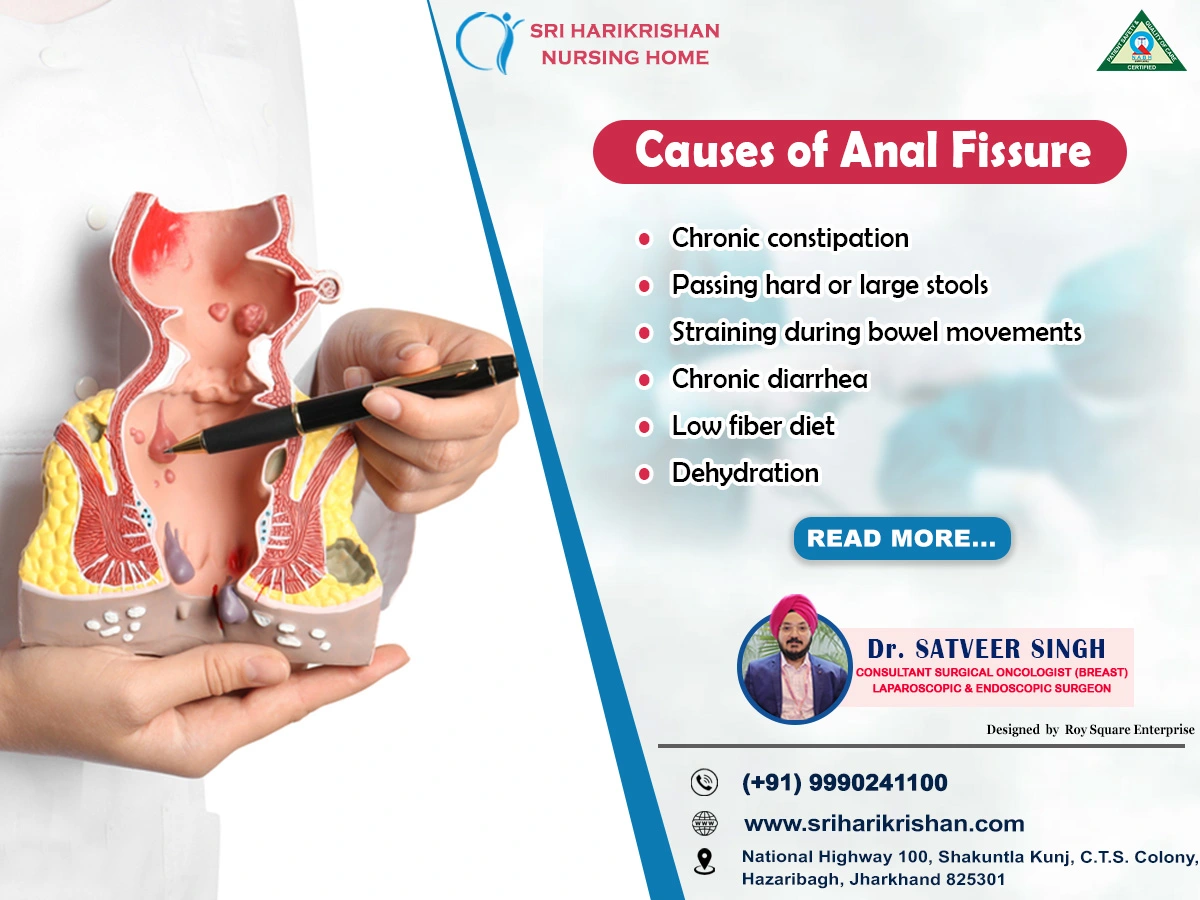
3. Causes of Anal Fissure
Anal fissures usually occur due to trauma or strain in the anal canal.
Common causes include:
- Chronic constipation
- Passing hard or large stools
- Straining during bowel movements
- Chronic diarrhea
- Low fiber diet
- Dehydration
Lifestyle factors play a major role, and improving bowel habits can help prevent recurrence.
4. Risk Factors
Certain individuals are more prone to developing fissures.
Risk factors include:
- Sedentary lifestyle
- Poor dietary habits
- Pregnancy and childbirth
- Repeated constipation
- Inflammatory bowel disease
- Obesity
Addressing these risk factors helps in long-term prevention.
5. How to Know If It Is an Anal Fissure
Many people confuse fissures with piles, but there are differences.
Signs that indicate fissure:
- Severe pain during stool
- Burning sensation lasting long after bowel movement
- Minimal bleeding but intense pain
- Pain while sitting for long periods
If symptoms persist for more than a week, consulting a specialist is advisable.
At Shri Harikrishan Nursing Home, Hazaribagh, Dr. Satveer Singh, consultant Surgical Oncologist (Breast), proctologist, Endoscopic Surgeon, Laparoscopic & Back Pain Specialist, evaluates such conditions carefully and guides patients toward appropriate treatment.
6. Diagnosis
Diagnosis is usually simple and quick.
Doctors may perform:
- Physical examination
- Visual inspection of the anal area
- Anoscopy in chronic cases
- Evaluation to rule out piles or fistula
Early diagnosis prevents the fissure from becoming chronic.
7. Surgical Treatment (When Required)
Most acute fissures heal with medicines and lifestyle changes. However, surgery may be required when:
- Pain persists for several weeks
- Fissure becomes chronic
- Medicines do not provide relief
Common surgical procedure:
Lateral Internal Sphincterotomy (LIS)
- A minor procedure
- Relieves muscle spasm
- Improves blood flow
- Promotes faster healing
Minimally invasive techniques allow faster recovery and less discomfort.
Specialists like Dr. Satveer Singh at Shri Harikrishan Nursing Home, Hazaribagh perform such procedures with modern techniques and patient-focused care.
8. Benefits of Early Treatment
Early treatment offers many advantages:
- Faster healing
- Reduced pain
- Prevention of chronic fissure
- Avoidance of surgery in many cases
- Better quality of life
Timely medical consultation makes a significant difference.
9. Complications If Ignored
Ignoring symptoms can lead to:
- Chronic fissure formation
- Severe pain and muscle spasm
- Infection
- Difficulty passing stool
- Recurrent tears
In long-standing cases, surgical treatment may become necessary.
Consulting experienced specialist Dr. Satveer Singh, consultant Surgical Oncologist (Breast), proctologist, Endoscopic Surgeon, Laparoscopic & Back Pain Specialist, helps in managing complications effectively.
Conclusion
Anal fissure is a common condition but should never be ignored. Early diagnosis, proper treatment, and lifestyle changes can relieve pain quickly and prevent complications. If symptoms persist or worsen, consulting a qualified specialist ensures safe and effective treatment.
Modern medical care, minimally invasive procedures, and proper follow-up can help patients recover comfortably and return to normal life without prolonged discomfort.
Why Choose Shri Harikrishan Nursing Home, Hazaribagh
Patients prefer Shri Harikrishan Nursing Home because of:
- Experienced specialists
- Advanced diagnostic facilities
- Modern surgical techniques
- Patient-centered care
- Hygienic and comfortable environment
Under the guidance of Dr. Satveer Singh, consultant Surgical Oncologist (Breast), proctologist, Endoscopic Surgeon, Laparoscopic & Back Pain Specialist, patients receive personalized treatment and careful follow-up for better outcomes.
1. Can anal fissures heal without surgery?
Yes, many acute fissures heal with medication, diet, and proper care.
2. How long does recovery take?
Most fissures improve within a few weeks with treatment.
3. Is fissure surgery painful?
Modern procedures are minimally invasive and recovery is usually comfortable.
4. What foods help in healing fissures?
Fiber-rich foods, fruits, vegetables, and adequate water intake.
5. Is bleeding always present in fissures?
Not always, but small amounts of bright red blood are common.
6. Can fissures come back?
Yes, if constipation or straining continues.
7. Is fissure different from piles?
Yes, fissures are tears, while piles are swollen veins.
8. When should I see a doctor?
If pain or bleeding continues for more than a few days.
9. Can children develop fissures?
Yes, especially with constipation.
10. Is laser treatment effective?
Laser and modern surgical methods offer effective results in suitable cases.