
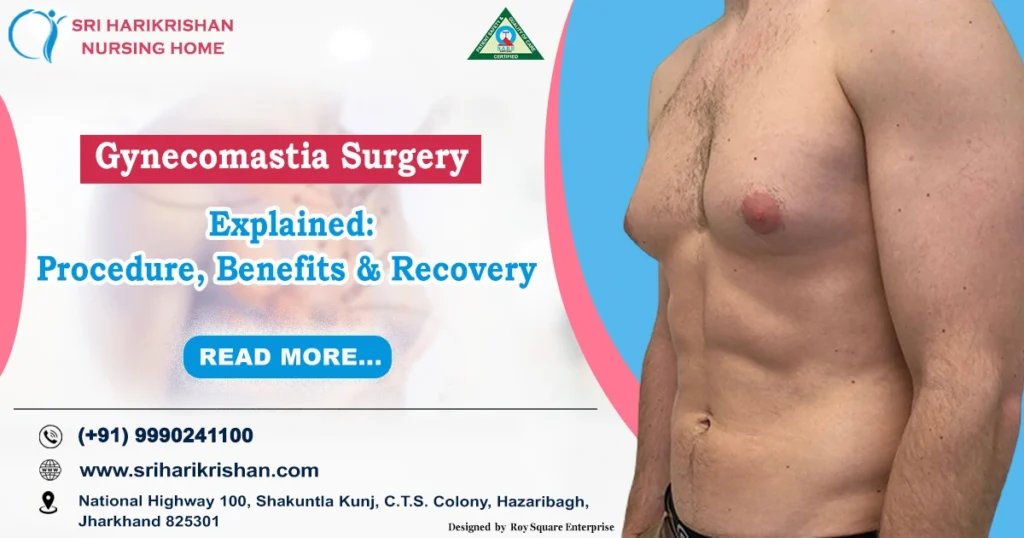
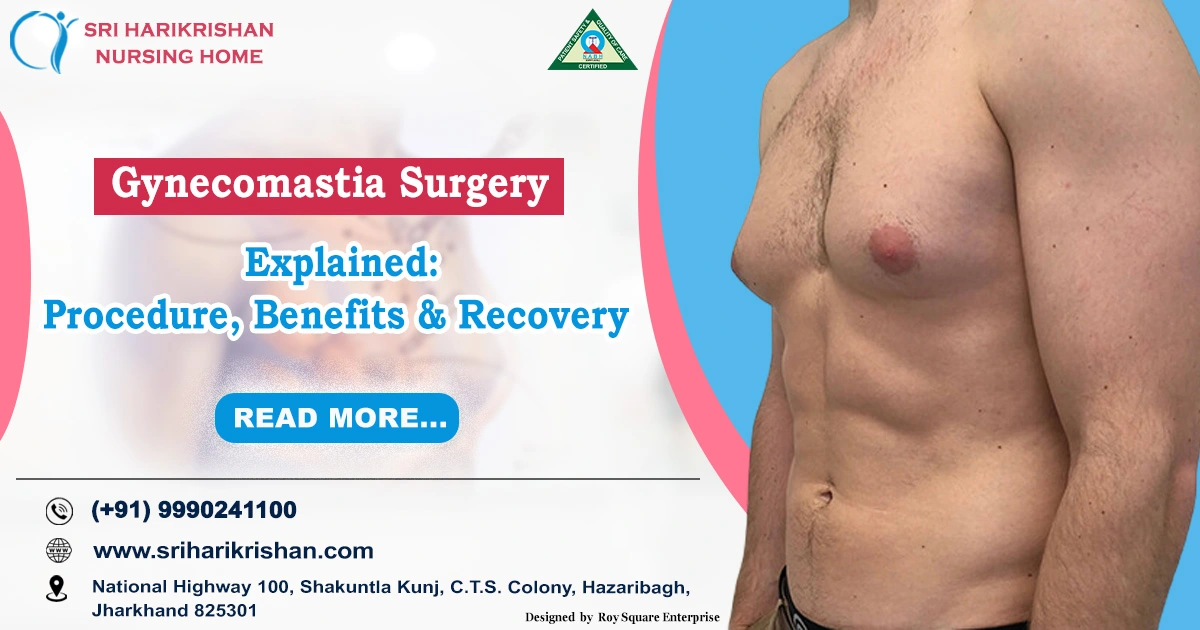
Gynecomastia, or enlargement of male breast tissue, is a condition that affects many men at different stages of life. While in some cases it improves naturally, persistent gynecomastia may require medical treatment or surgery. Modern surgical techniques have made gynecomastia surgery safe, effective, and minimally invasive, helping patients regain confidence and comfort.
At Shri harikrishan Nursing Home, Hazaribagh, advanced surgical care is available under experienced specialist Dr. Satveer Singh, consultant Surgical Oncologist (Breast), proctologist, Endoscopic Surgeon, Laparoscopic & Back Pain Specialist, who has extensive experience in treating breast-related conditions and performing minimally invasive procedures.
This guide explains everything you need to know about gynecomastia surgery in a clear and practical way.
1. What Is Gynecomastia Surgery?
Gynecomastia surgery is a procedure performed to remove excess breast tissue, fat, or glandular tissue in men. The goal is to restore a flatter, firmer, and more masculine chest contour.
The surgery may involve:
- Liposuction to remove fat
- Excision to remove glandular tissue
- Combination of both techniques
The procedure is safe and commonly performed, with high success rates when done by experienced surgeons.
2. Who Needs Gynecomastia Surgery?
Not every patient with gynecomastia needs surgery.
- Persistent breast enlargement for more than 1–2 years
- No improvement with diet and exercise
- Pain or tenderness in the chest
- Psychological discomfort or embarrassment
- Uneven chest appearance
Many patients seek treatment after consulting specialists such as Dr. Satveer Singh, consultant Surgical Oncologist (Breast), proctologist, Endoscopic Surgeon, Laparoscopic & Back Pain Specialist, who evaluates the severity and suggests the most suitable treatment plan.
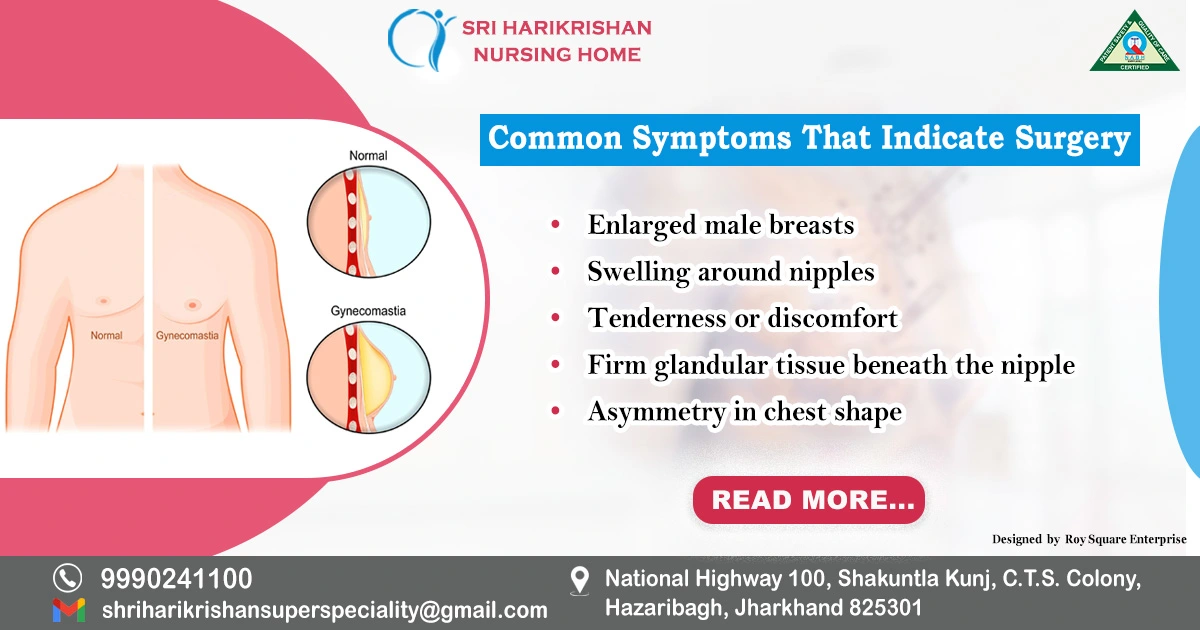
3. Common Symptoms That Indicate Surgery
Some symptoms may indicate the need for surgical correction:
- Enlarged male breasts
- Swelling around nipples
- Tenderness or discomfort
- Firm glandular tissue beneath the nipple
- Asymmetry in chest shape
If these symptoms persist or worsen, medical evaluation is important.
4. Causes Leading to Gynecomastia Surgery
Gynecomastia occurs due to several factors, including:
- Hormonal imbalance between estrogen and testosterone
- Obesity and fat accumulation
- Puberty-related hormonal changes
- Aging
- Certain medications
- Steroid use
- Liver or kidney disorders
- Thyroid problems
When the underlying cause cannot be corrected or breast tissue becomes permanent, surgery may be the best solution.
5. Types of Gynecomastia Surgery
Liposuction
Used when enlargement is mainly due to fat.
Excision Surgery
Required when glandular tissue or excess skin must be removed.
Combination Technique
Most common method combining liposuction and excision for best results.
6. Gynecomastia Surgery Procedure (Step-by-Step)
Understanding the procedure helps patients feel more confident.
Step 1: Preoperative Evaluation
- Medical history review
- Physical examination
- Blood tests if required
Step 2: Anesthesia
Local or general anesthesia is administered.
Step 3: Small Incision
Tiny incisions are made near the chest area.
Step 4: Removal of Tissue
Excess fat or glandular tissue is removed carefully.
Step 5: Chest Contouring
The chest is reshaped for a natural appearance.
Step 6: Dressing and Recovery
Bandage and compression garment applied.
The entire procedure usually takes 1–2 hours.
7. Benefits of Gynecomastia Surgery
Gynecomastia surgery offers several benefits:
- Improved chest appearance
- Increased self-confidence
- Permanent results
- Better posture
- Comfortable physical activity
- Minimal scars with modern techniques
Patients often report a significant improvement in quality of life.
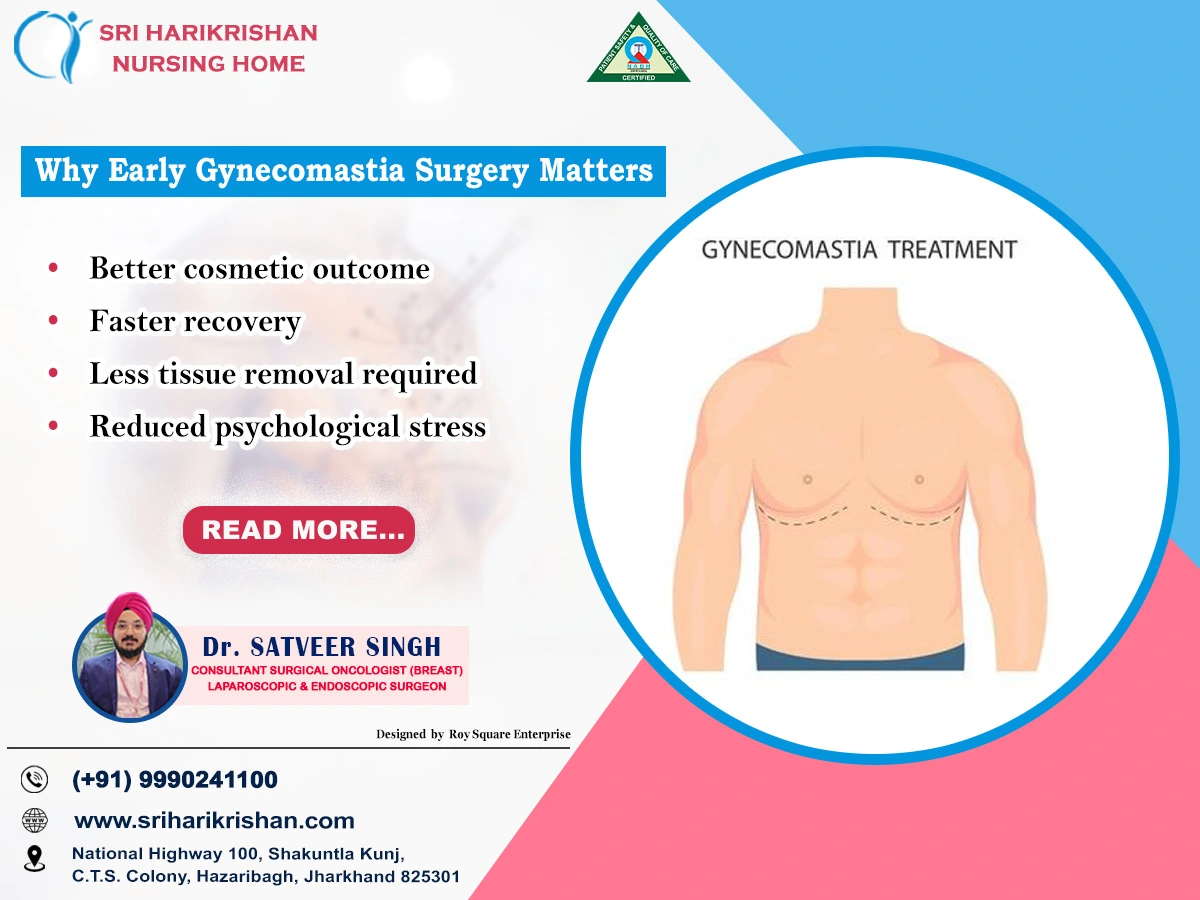
8. Why Early Gynecomastia Surgery Matters
Early treatment provides several advantages:
- Better cosmetic outcome
- Faster recovery
- Less tissue removal required
- Reduced psychological stress
Delaying treatment may lead to skin stretching or fibrosis, which can complicate surgery.
9. Recovery After Gynecomastia Surgery
Recovery is generally smooth and manageable.
What to expect:
- Mild swelling or discomfort for a few days
- Compression garment for 2–4 weeks
- Light activity within a few days
- Full recovery within a few weeks
Following the surgeon’s instructions plays a key role in achieving the best results.
Experienced specialist Dr. Satveer Singh, consultant Surgical Oncologist (Breast), proctologist, Endoscopic Surgeon, Laparoscopic & Back Pain Specialist, ensure proper guidance during the recovery phase.
10. Prevention and Lifestyle Tips
After surgery, maintaining results is important.
Helpful tips include:
- Maintain a healthy weight
- Exercise regularly
- Avoid steroid use
- Eat a balanced diet
- Regular medical checkups
Healthy lifestyle habits help prevent recurrence.
11. Why Choose Shri harikrishan Nursing Home, Hazaribagh
Choosing the right hospital is crucial for successful surgery.
Reasons to choose:
- Experienced surgical specialists
- Advanced surgical equipment
- Safe and hygienic environment
- Personalized patient care
- Affordable treatment options
- Proper follow-up care
Patients benefit from expert care under surgeon Dr. Satveer Singh, known for precision and patient-centered treatment.
Conclusion
Gynecomastia is a common condition, but it can significantly affect confidence and quality of life. Fortunately, modern surgical techniques provide safe, effective, and lasting solutions. Early consultation, proper diagnosis, and expert surgical care ensure the best results.
If you or someone you know is dealing with persistent gynecomastia, timely evaluation and treatment can make a meaningful difference. With experienced care, proper guidance, and advanced techniques, patients can achieve both physical comfort and renewed confidence.
1. Is gynecomastia surgery painful?
The procedure is done under anesthesia, so pain is minimal. Mild discomfort may occur after surgery.
2. How long does surgery take?
Usually 1–2 hours.
3. Is gynecomastia surgery permanent?
Yes, results are long-lasting if lifestyle is maintained.
4. When can I return to work?
Most patients resume work within a few days.
5. Are scars visible?
Incisions are small and usually fade over time.
6. Is the surgery safe?
Yes, when performed by experienced surgeons.
7. Can gynecomastia come back?
Rare, but possible if weight gain or hormonal imbalance occurs.
8. Who is the right candidate?
Healthy individuals with persistent breast enlargement.
9. How soon can exercise be resumed?
Light activity after 1–2 weeks; heavy exercise after 4–6 weeks.
10. When should I consult a doctor?
If breast enlargement persists or causes discomfort.