
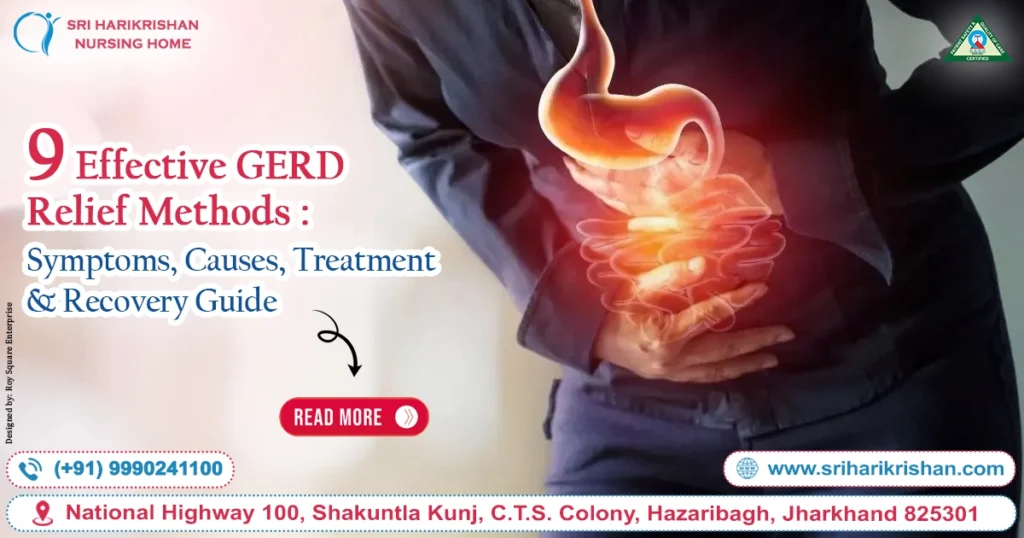
Digestive discomfort is one of the most common health problems people experience today. Among these conditions, GERD or Gastroesophageal Reflux Disease has become increasingly common due to unhealthy food habits, stress, obesity, and irregular lifestyles. While many people ignore acidity and heartburn as temporary issues, frequent acid reflux can seriously affect daily life and long-term health.
GERD develops when stomach acid repeatedly flows back into the esophagus, causing irritation and inflammation. The condition may start with mild symptoms but can gradually become severe if not treated properly.
Fortunately, with early diagnosis, proper lifestyle changes, advanced medications, and minimally invasive procedures, GERD can be managed successfully. At Shri Harikrishan Nursing Home, Hazaribagh, patients receive advanced digestive care under the expert supervision of Dr. Satveer Singh, Consultant Surgical Oncologist (Breast), Proctologist, Endoscopic Surgeon, Laparoscopic & Back Pain Specialist.
This detailed guide explains everything you need to know about GERD, including symptoms, causes, diagnosis, treatment options, prevention tips, and recovery guidance.
1. What is GERD?
GERD stands for Gastroesophageal Reflux Disease. It is a chronic digestive condition in which stomach acid flows backward into the esophagus repeatedly.
Normally, a muscular valve called the lower esophageal sphincter prevents acid from moving upward. However, when this valve becomes weak or relaxes abnormally, acid reflux occurs.
Occasional acidity after eating spicy food is common, but frequent reflux happening multiple times a week may indicate GERD.
Over time, untreated acid reflux can damage the food pipe and affect quality of life.
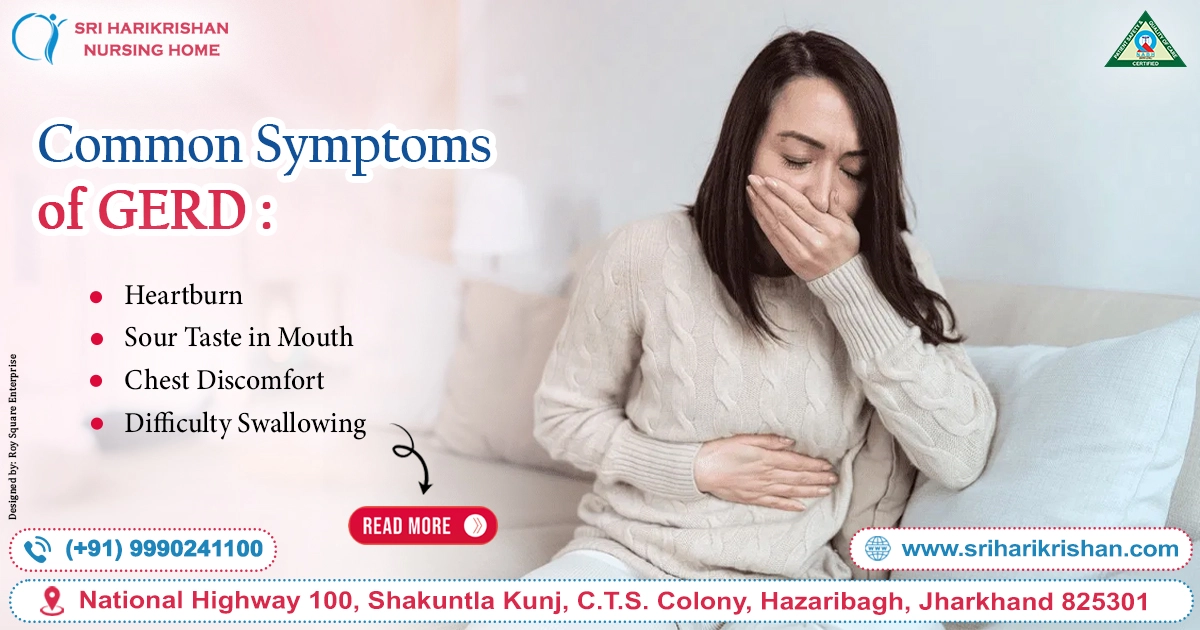
2. Common Symptoms of GERD
GERD symptoms vary from person to person. Some individuals experience mild discomfort, while others may develop severe symptoms.
Heartburn
A burning sensation in the chest, especially after meals.
Sour Taste in Mouth
Acid may rise into the throat and leave a bitter taste.
Chest Discomfort
Some patients feel pressure or pain in the chest area.
Difficulty Swallowing
Inflammation can make swallowing uncomfortable.
Chronic Cough
Persistent coughing or throat irritation may occur.
Hoarseness
Acid reflux sometimes affects the voice box.
Excessive Burping and Bloating
Gas formation and abdominal fullness are common symptoms.
If these symptoms occur frequently, medical consultation becomes necessary.
3. Main Causes of Acid Reflux
GERD develops due to multiple lifestyle and medical reasons.
Common Causes Include:
- Overeating
- Obesity
- Oily and spicy food
- Smoking
- Excess caffeine intake
- Alcohol consumption
- Stress and anxiety
- Eating late at night
- Lack of physical activity
- Pregnancy
Modern unhealthy lifestyle patterns are major contributors to increasing GERD cases.
4. Risk Factors for GERD
Certain factors increase the likelihood of developing GERD.
Obesity
Excess body weight increases abdominal pressure.
Smoking
Smoking weakens the valve controlling acid reflux.
Sedentary Lifestyle
Poor physical activity affects digestion.
Pregnancy
Hormonal changes can increase reflux episodes.
Hiatal Hernia
This condition allows acid to move upward more easily.
Poor Eating Habits
Frequent junk food consumption worsens acidity.
Recognizing risk factors early helps in prevention and better treatment outcomes.
5. Complications of Untreated GERD
Ignoring GERD for a long period can result in serious complications.
Esophagitis
Inflammation and irritation of the esophagus.
Esophageal Ulcers
Painful sores may develop due to acid damage.
Barrett’s Esophagus
A condition associated with increased cancer risk.
Narrowing of the Esophagus
Scar tissue may affect swallowing ability.
Respiratory Problems
Acid reflux can worsen asthma and throat infections.
This is why early diagnosis and proper treatment are extremely important.
6. Diagnosis of GERD
Doctors use several methods to confirm GERD and evaluate its severity.
Medical History and Physical Examination
Symptoms and eating habits are reviewed carefully.
Endoscopy
A flexible camera checks the food pipe and stomach.
pH Monitoring
Measures acid levels inside the esophagus.
Esophageal Manometry
Assesses muscle movement and valve function.
At Shri Harikrishan Nursing Home, Hazaribagh, advanced diagnostic methods help provide accurate and personalized treatment planning.
7. Effective GERD Treatment Options
GERD treatment depends on the severity of symptoms and the patient’s overall health.
Medications
Doctors may prescribe:
- Antacids
- Proton Pump Inhibitors (PPIs)
- Acid blockers
Dietary Modifications
Healthy eating habits help reduce reflux episodes.
Lifestyle Changes
Advanced Laparoscopic Surgery
Simple daily improvements can significantly control symptoms.
Severe or chronic GERD cases may require minimally invasive surgical correction.
Dr. Satveer Singh, Consultant Surgical Oncologist (Breast), Proctologist, Endoscopic Surgeon, Laparoscopic & Back Pain Specialist at Shri Harikrishan Nursing Home, Hazaribagh, offers advanced minimally invasive procedures for digestive and surgical disorders with modern treatment techniques.
8. Lifestyle Changes for GERD Relief
Daily lifestyle improvements play a major role in controlling GERD symptoms.
Eat Smaller Meals
Avoid heavy meals and overeating.
Maintain Healthy Weight
Weight control reduces stomach pressure.
Avoid Sleeping After Meals
Wait at least 2–3 hours before lying down.
Quit Smoking and Alcohol
Both worsen acid reflux significantly.
Stay Active
Regular exercise improves digestion.
Sleep with Head Elevated
This helps prevent nighttime reflux.
Consistency in healthy habits brings long-term relief.
9. Foods to Avoid During GERD
Certain foods trigger acid reflux and should be limited.
Avoid:
- Spicy foods
- Fried foods
- Chocolate
- Carbonated drinks
- Tea and coffee
- Tomato-based foods
- Citrus fruits
- Fast food
- Alcohol
Recommended Foods:
- Oatmeal
- Green vegetables
- Banana
- Fresh fruits
- Lean protein
- Plenty of water
A healthy diet supports faster recovery and improved digestive health.
10. Importance of Early Medical Care
Many people ignore acid reflux until complications develop. Early treatment offers several benefits.
Benefits of Early GERD Treatment:
- Faster symptom relief
- Prevention of complications
- Better digestive health
- Reduced need for surgery
- Improved quality of life
Persistent heartburn should never be ignored.
11. Why Choose Shri Harikrishan Nursing Home, Hazaribagh?
Shri Harikrishan Nursing Home, Hazaribagh is dedicated to providing advanced and patient-friendly digestive and surgical care.
Highlights of the Hospital:
- Experienced specialist care
- Advanced laparoscopic treatment
- Modern diagnostic facilities
- Personalized patient management
- Safe and minimally invasive procedures
- Comprehensive surgical support
Patients receive expert treatment Dr. Satveer Singh, Consultant Surgical Oncologist (Breast), Proctologist, Endoscopic Surgeon, Laparoscopic & Back Pain Specialist, ensuring quality care with advanced medical expertise.
12. Conclusion
GERD is more than occasional acidity. Frequent acid reflux can interfere with daily activities and lead to serious digestive complications if ignored. The good news is that with proper medical care, lifestyle changes, healthy food habits, and advanced treatment options, GERD can be controlled effectively.
Early diagnosis plays a vital role in preventing complications and improving long-term digestive health. Under the guidance of Dr. Satveer Singh at Shri Harikrishan Nursing Home, Hazaribagh, patients receive comprehensive and advanced treatment for acid reflux and digestive disorders using modern medical approaches.
Taking timely action today can help you enjoy a healthier and more comfortable tomorrow.
1. Is GERD a serious disease?
Yes, untreated GERD can cause long-term complications.
2. Can GERD be cured permanently?
Many patients achieve lasting relief with proper treatment and lifestyle changes.
3. What foods trigger GERD?
Spicy, oily, acidic, and caffeinated foods commonly trigger symptoms.
4. Does stress worsen GERD?
Yes, stress can increase acid reflux episodes.
5. Is GERD surgery safe?
Modern laparoscopic surgery is safe and minimally invasive.
6. Can obesity cause acid reflux?
Yes, excess weight increases stomach pressure.
7. How long does GERD treatment take?
Treatment duration varies based on severity and patient response.
8. Can GERD affect sleep?
Yes, nighttime reflux can disturb sleep quality.
9. Is chest pain always related to GERD?
No, chest pain should always be medically evaluated.
10. When should I consult a doctor?
If heartburn occurs frequently or affects daily life, consult a specialist immediately.