
Recovering from gallbladder surgery involves more than just healing the surgical wound. Your digestive system also needs time to adjust to life without the gallbladder. Following the right diet after surgery can significantly improve your recovery, reduce digestive discomfort, and help you return to your daily routine faster.
Many people experience questions like:
- What should I eat after gallbladder surgery?
- Which foods should I avoid?
- How long should I follow a special diet?
- Can I eat spicy or oily foods again?
1. What Is Gallbladder Surgery?
Gallbladder surgery, also known as cholecystectomy, is a procedure to remove the gallbladder—a small organ located beneath the liver that stores bile. Bile helps digest fats in the food you eat.
- Gallstones
- Gallbladder inflammation (Cholecystitis)
- Gallbladder polyps
- Blocked bile ducts
- Recurrent abdominal pain caused by gallstones
Today, most gallbladder surgeries are performed using laparoscopic (keyhole) surgery, which involves small incisions, less pain, minimal scarring, and faster recovery compared to traditional open surgery.
While your body can still digest food, it may take a few weeks for your digestive system to adjust, making dietary changes especially important during recovery.
2. Why Is Diet Important After Gallbladder Surgery?
Your gallbladder plays an important role in storing and releasing bile whenever you eat fatty foods. Once it is removed, bile is released continuously in smaller amounts instead of being stored.
Because of this change, eating heavy or greasy meals immediately after surgery can lead to digestive discomfort.
Following a proper diet helps:
- Improve digestion
- Reduce bloating and gas
- Prevent diarrhea
- Minimize stomach cramps
- Promote faster healing
- Support healthy bowel movements
- Help your digestive system adapt gradually
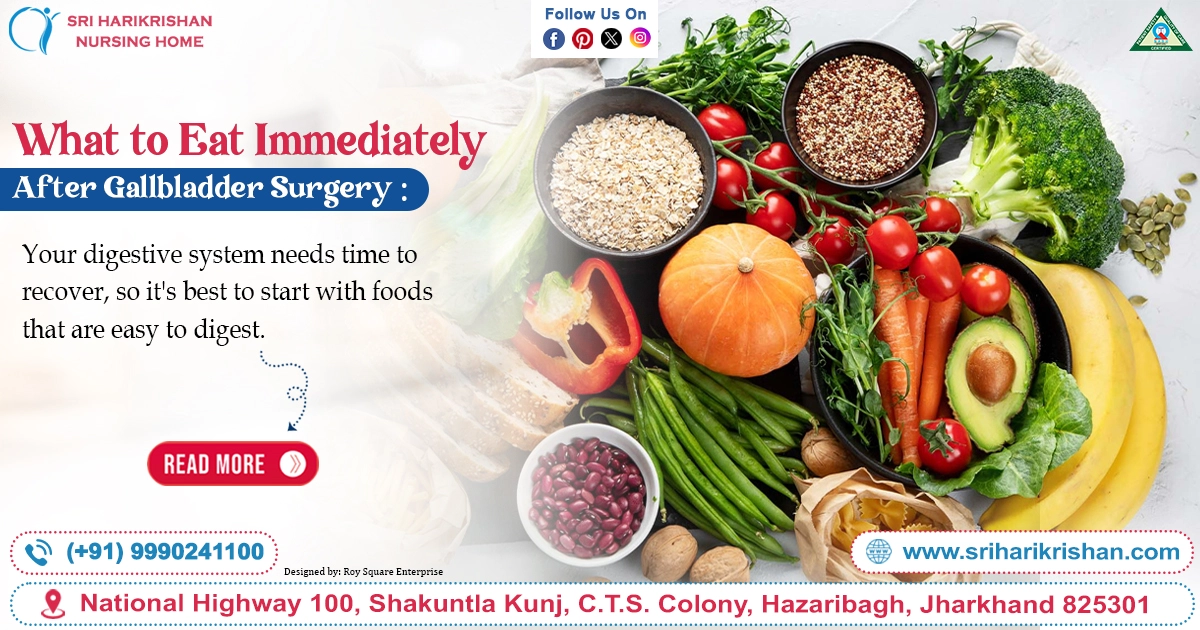
3. What to Eat Immediately After Gallbladder Surgery
Your digestive system needs time to recover, so it’s best to start with foods that are easy to digest.
Day 1: Clear Liquids
Start with:
- Water
- Coconut water
- Clear vegetable soup
- Rice water
- Lemon water (without excess sugar)
- Herbal tea
- Clear broth
These help maintain hydration without putting stress on the digestive system.
Day 2–3: Soft Foods
As your appetite improves, gradually introduce soft, low-fat foods such as:
- Plain khichdi
- Oatmeal
- Soft rice
- Boiled potatoes
- Steamed vegetables
- Plain curd
- Banana
- Applesauce
- Soft toast
After the First Week
Once your digestion improves, include nutritious foods like:
- Boiled chicken
- Grilled fish
- Egg whites
- Dal
- Tofu
- Paneer (low-fat)
- Whole grains
- Fresh fruits
- Cooked vegetables
Drink at least 2–3 litres of water daily to stay hydrated and support digestion.
Best Foods to Include During Recovery
Choose foods that are naturally easy on the digestive system:
Fruits
- Banana
- Apple
- Papaya
- Watermelon
- Pear
Vegetables
- Pumpkin
- Bottle gourd
- Carrot
- Spinach
- Beans
Protein
- Lentils
- Moong dal
- Chicken breast
- Fish
- Egg whites
Whole Grains
- Brown rice
- Oats
- Whole wheat roti
- Dalia
Healthy Drinks
- Coconut water
- Buttermilk
- Fresh vegetable soup
- Fresh fruit juices (without added sugar)
4. Foods to Avoid After Gallbladder Surgery
Certain foods can be difficult to digest during the recovery period and may cause bloating, diarrhea, or abdominal discomfort.
Avoid these foods for at least 4–6 weeks, or as advised by your surgeon.
Fried Foods
Avoid:
- French fries
- Pakoras
- Samosas
- Fried chicken
- Chips
High-Fat Foods
Stay away from:
- Butter
- Ghee
- Cream
- Cheese
- Full-fat milk
- Ice cream
Spicy Foods
Limit:
- Green chillies
- Red chilli powder
- Pickles
- Spicy curries
Processed Foods
Avoid:
- Burgers
- Pizza
- Instant noodles
- Frozen snacks
- Processed meats
Sugary Foods
Reduce:
- Cakes
- Pastries
- Soft drinks
- Chocolates
- Candy
Caffeinated Drinks
Consume in moderation:
- Coffee
- Strong tea
- Energy drinks
Alcohol and Smoking
Avoid alcohol and tobacco during recovery, as they can interfere with healing and worsen digestive symptoms.
5. 7-Day Diet Plan After Gallbladder Surgery
Day 1
Breakfast: Clear vegetable soup
Mid-Morning: Coconut water
Lunch: Rice water with boiled vegetables
Evening: Herbal tea
Dinner: Clear broth
Day 2
Breakfast: Oatmeal
Snack: Banana
Lunch: Soft khichdi
Evening: Buttermilk
Dinner: Vegetable soup
Day 3
Breakfast: Idli with light sambar
Snack: Apple
Lunch: Rice with dal
Evening: Papaya
Dinner: Steamed vegetables with dal
Day 4
Breakfast: Vegetable poha (less oil)
Snack: Coconut water
Lunch: Chapati with dal and boiled vegetables
Evening: Curd
Dinner: Grilled fish or paneer with vegetables
Day 5
Breakfast: Oats with skimmed milk
Snack: Pear
Lunch: Brown rice with chicken soup
Evening: Roasted chana
Dinner: Vegetable khichdi
Day 6
Breakfast: Dalia
Snack: Papaya
Lunch: Chapati, dal, spinach
Evening: Buttermilk
Dinner: Grilled chicken with steamed vegetables
Breakfast: Vegetable upma
Snack: Apple
Lunch: Brown rice, dal, mixed vegetables
- Day 7
Evening: Fresh fruit
Dinner: Light vegetable soup with whole wheat toast
Recovery Tips While Following This Diet
- Eat 5–6 small meals instead of three large meals.
- Chew food slowly and thoroughly.
- Avoid overeating.
- Drink enough water throughout the day.
- Introduce new foods gradually.
- Limit oily, spicy, and processed foods during the first few weeks.
- Follow your surgeon’s dietary advice based on your recovery progress.
Many patients treated by Dr. Satveer Singh, Consultant Surgical Oncologist (Breast), Proctologist, Endoscopic Surgeon, Laparoscopic & Back Pain Specialist at Shri Harikrishan Nursing Home, Hazaribagh, find that these simple dietary habits help reduce digestive discomfort and support a smoother recovery after gallbladder surgery.
6. Foods That Help Prevent Digestive Problems
After gallbladder surgery, your digestive system needs time to adapt to the continuous flow of bile into the intestine. Choosing foods that are gentle on the stomach can reduce discomfort and support healthy digestion.
High-Fiber Foods (Introduce Gradually)
Fiber helps regulate bowel movements and promotes gut health. However, increase your fiber intake slowly to avoid gas and bloating.
Good choices include:
- Oats
- Brown rice
- Whole wheat bread
- Apples
- Pears
- Bananas
- Carrots
- Spinach
- Pumpkin
- Sweet potatoes
Lean Protein Sources
Protein supports tissue repair and recovery after surgery.
Choose:
- Skinless chicken
- Fish
- Egg whites
- Lentils
- Dal
- Tofu
- Low-fat paneer
Probiotic Foods
Healthy gut bacteria can improve digestion and reduce digestive disturbances.
Include:
- Plain curd
- Buttermilk
- Homemade yogurt
Healthy Fluids
Staying hydrated is equally important.
Drink:
- Water
- Coconut water
- Fresh vegetable soup
- Herbal tea
- Lemon water (without excess sugar)
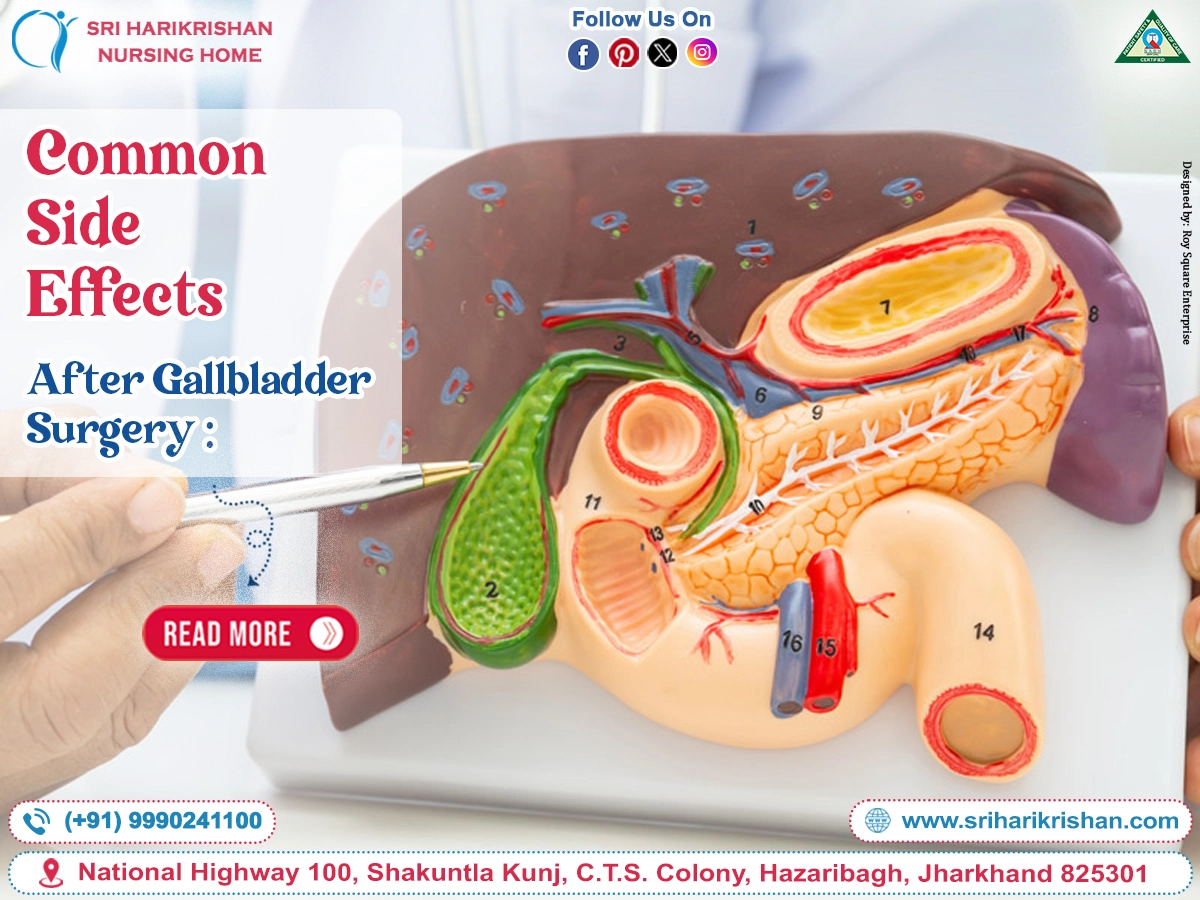
7. Common Side Effects After Gallbladder Surgery
Most people recover without major problems. However, mild digestive symptoms are common during the first few weeks.
Diarrhea
Since bile continuously enters the intestine, loose stools may occur temporarily.
How to manage:
- Eat low-fat meals.
- Avoid fried foods.
- Drink plenty of fluids.
- Eat small meals throughout the day.
Bloating and Gas
Some people experience abdominal fullness after eating.
Tips:
- Eat slowly.
- Avoid carbonated drinks.
- Reduce beans and cabbage if they worsen symptoms.
- Walk for 15–20 minutes after meals.
Indigestion
Heavy meals can lead to discomfort during the early recovery period.
Prevention:
- Choose simple, home-cooked meals.
- Avoid overeating.
- Limit spicy and oily foods.
Constipation
Pain medications and reduced physical activity may slow bowel movements.
Relief:
- Drink enough water.
- Add fiber-rich foods gradually.
- Stay physically active with gentle walking.
Fatty Food Intolerance
Some patients notice discomfort after consuming rich or greasy meals.
This usually improves as the body adapts over time.
8. Lifestyle Changes for Long-Term Digestive Health
A healthy lifestyle complements a balanced diet and supports long-term recovery.
Eat Small, Frequent Meals
Instead of three heavy meals, aim for five or six smaller meals each day. This makes digestion easier and reduces stress on your digestive system.
Stay Active
Light physical activity helps improve digestion and overall health.
Activities include:
- Walking
- Gentle stretching
- Yoga (after your surgeon’s approval)
Avoid heavy lifting until advised by your doctor.
Maintain a Healthy Weight
Excess weight can increase the risk of digestive issues and other health problems.
Focus on:
- Balanced nutrition
- Regular exercise
- Portion control
Drink Enough Water
Hydration supports healthy digestion and prevents constipation.
Aim for 2–3 litres of water daily, unless your doctor recommends otherwise.
Limit Fat Intake
Even after recovery, choose healthy fats in moderation.
Better options include:
- Olive oil
- Nuts (in small quantities)
- Avocado
- Seeds
Avoid Smoking and Alcohol
Smoking and excessive alcohol consumption can negatively affect digestion and overall health. Limiting or avoiding both contributes to a healthier recovery.
Attend Follow-Up Appointments
Regular follow-up visits help your surgeon monitor your recovery and address any concerns.
Dr. Satveer Singh, Consultant Surgical Oncologist (Breast), Proctologist, Endoscopic Surgeon, Laparoscopic & Back Pain Specialist at Shri Harikrishan Nursing Home, Hazaribagh, emphasizes that post-operative follow-up is an important part of ensuring a smooth recovery and long-term well-being.
9. When Can You Return to a Normal Diet?
Recovery varies from person to person, but most patients gradually return to a regular diet within 4 to 8 weeks.
General Recovery Timeline
Week 1
- Clear liquids and soft foods
Week 2–3
- Low-fat solid foods
- Small portions
Week 4–6
- Introduce a wider variety of healthy foods
After 6–8 Weeks
- Most people can resume a balanced, normal diet while continuing to limit excessive fatty and processed foods.
If a particular food causes discomfort, avoid it temporarily and try again after a few weeks.
Why Choose Shri Harikrishan Nursing Home, Hazaribagh?
Choosing the right healthcare facility plays an important role in achieving the best surgical outcomes.
At Shri Harikrishan Nursing Home, Hazaribagh, patients receive compassionate, evidence-based care with a focus on safety and recovery.
Why patients trust us:
- Experienced and skilled surgical team
- Advanced laparoscopic and endoscopic procedures
- Personalized treatment plans
- Modern operation theatre and diagnostic support
- Patient-focused care before, during, and after surgery
- Comprehensive guidance for diet and recovery
- Clean, comfortable, and supportive environment
Under the expert care of Dr. Satveer Singh, Consultant Surgical Oncologist (Breast), Proctologist, Endoscopic Surgeon, Laparoscopic & Back Pain Specialist, patients receive comprehensive evaluation, advanced surgical care, and dedicated follow-up support to help them recover with confidence.
Conclusion
Gallbladder surgery is a safe and effective treatment for many gallbladder conditions. While your body can function normally without a gallbladder, adopting healthy eating habits during recovery makes a significant difference.
A balanced, low-fat diet, adequate hydration, regular physical activity, and gradual reintroduction of foods can help reduce digestive discomfort and support faster healing.
Following your surgeon’s guidance and maintaining a healthy lifestyle will help you return to your daily routine with confidence.
1. What is the best diet after gallbladder surgery?
A low-fat, balanced diet with lean protein, whole grains, fruits, vegetables, and plenty of fluids is generally recommended during recovery.
2. How long should I follow a low-fat diet?
Most patients benefit from a low-fat diet for about 4–6 weeks, though your surgeon may advise a different duration based on your recovery
3. Can I eat eggs after gallbladder surgery?
Yes. Egg whites are usually well tolerated. Whole eggs can be reintroduced gradually if they do not cause discomfort.
4. Can I eat spicy food?
It is best to avoid spicy foods during the early recovery period. Reintroduce them slowly once your digestion improves.
5. Is milk safe after surgery?
Low-fat or skimmed milk is generally a better choice than full-fat milk during recovery.
6. Can I drink coffee?
Coffee can be reintroduced gradually in moderation if it does not trigger digestive symptoms.
7. Why do I experience diarrhea after gallbladder surgery?
Continuous bile flow into the intestine can temporarily affect digestion. This usually improves over time.
8. Can I eat rice after gallbladder surgery?
Yes. Plain rice, especially with dal or vegetables, is easy to digest and commonly recommended during recovery.
9. When can I return to normal eating habits?
Many people resume a regular diet within 4–8 weeks, depending on their individual recovery.
10. When should I consult a doctor after surgery?
If you have severe pain, fever, persistent vomiting, jaundice, excessive bleeding, or prolonged diarrhea, seek medical attention promptly.