
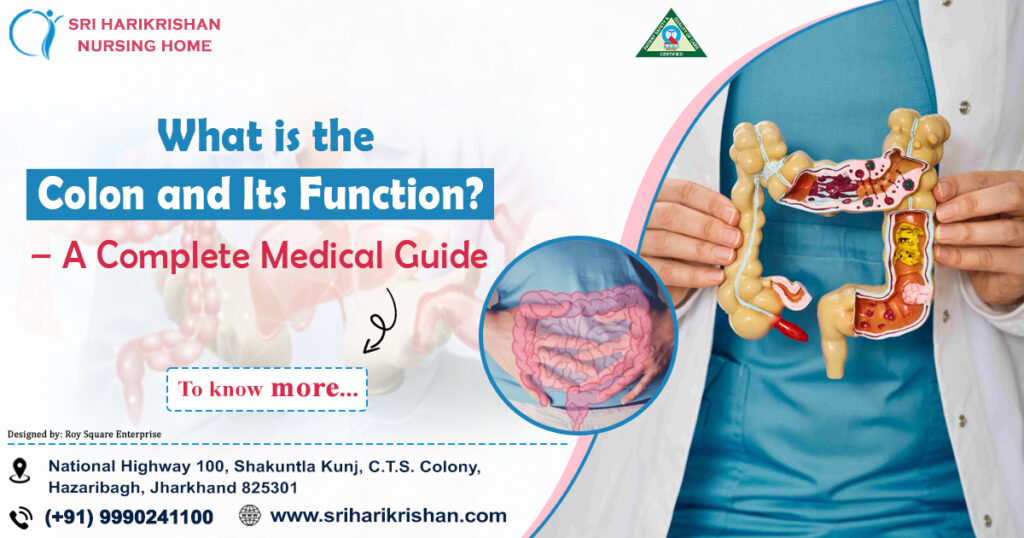
1. What is the Colon?
The colon, commonly known as the large intestine, is a crucial part of the digestive system. It is responsible for processing waste after nutrients have been absorbed in the small intestine.
Measuring around 5 feet in length, the colon plays a major role in maintaining overall digestive balance and health.
2. Structure of the Colon
The colon is divided into four main parts:
- Ascending Colon – absorbs fluids and salts
- Transverse Colon – helps in bacterial digestion
- Descending Colon – stores waste material
- Sigmoid Colon – moves waste to the rectum
Each section works together to ensure smooth digestion and elimination.
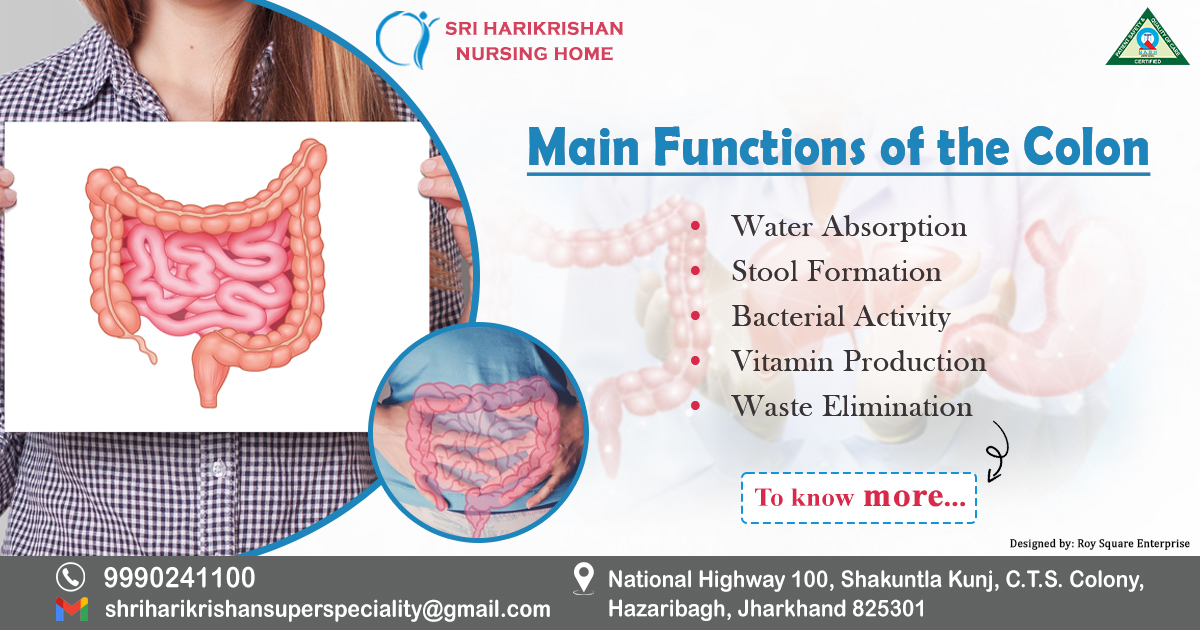
3. Main Functions of the Colon
The colon performs several essential functions:
- Water Absorption – Removes excess water from food waste
- Stool Formation – Converts liquid waste into solid stool
- Bacterial Activity – Supports good bacteria for gut health
- Vitamin Production – Helps absorb vitamins like B & K
- Waste Elimination – Moves waste out of the body
A healthy colon means a healthy digestive system.
4. Importance of Colon Health
Maintaining colon health is vital to prevent serious conditions such as:
- Colon cancer
- Inflammatory bowel disease
- Chronic constipation
- Digestive infections
A well-functioning colon also supports immunity and overall wellness.
5. Common Colon Problems
Some frequently seen colon-related issues include:
- Constipation
- Diarrhea
- Colon polyps
- Irritable bowel syndrome (IBS)
- Ulcerative colitis
- Colon cancer
Early detection can make a significant difference in treatment outcomes.
6. Symptoms of Colon Disorders
Watch out for these warning signs:
- Blood in stool
- Persistent abdominal pain
- Bloating or gas
- Sudden weight loss
- Changes in bowel habits
If these symptoms persist, medical consultation is important.
7. How to Keep Your Colon Healthy
Simple lifestyle changes can protect your colon:
- Eat fiber-rich foods (fruits, vegetables, whole grains)
- Drink plenty of water
- Exercise regularly
- Avoid processed and junk food
- Limit smoking and alcohol
- Go for regular health checkups
8. When to See a Doctor
You should consult a specialist if you experience:
- Continuous digestive discomfort
- Blood in stool
- Severe constipation or diarrhea
- Family history of colon disease
Dr. Satveer Singh, Consultant Surgical Oncologist (Breast), Proctologist, Endoscopic Surgeon, Laparoscopic & Back Pain Specialist at Shri Harikrishan Nursing Home, Hazaribagh, provides expert diagnosis and advanced treatment for colon-related conditions.
9. Recovery and Healing
Recovery depends on the condition and treatment method:
- Mild conditions improve with diet and medication
- Surgical treatments may require a few weeks of recovery
- Regular follow-ups ensure proper healing
With proper care and guidance, most patients recover well and return to normal life.
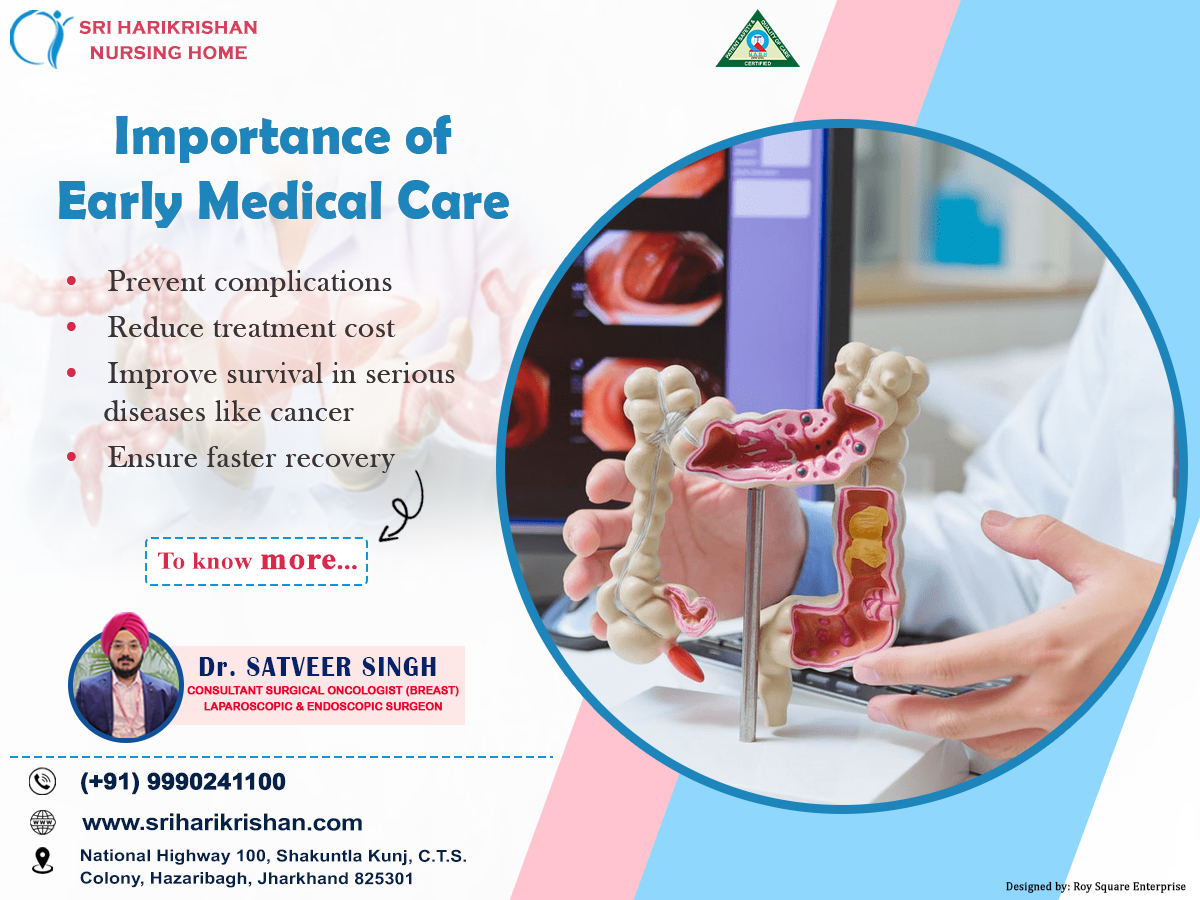
10. Importance of Early Medical Care
Early diagnosis can:
- Prevent complications
- Reduce treatment cost
- Improve survival in serious diseases like cancer
- Ensure faster recovery
Timely consultation with experienced doctor Dr. Satveer Singh, Consultant Surgical Oncologist (Breast), Proctologist, Endoscopic Surgeon, Laparoscopic & Back Pain Specialist at Shri Harikrishan Nursing Home, Hazaribagh, can make a life-saving difference.
Why Choose Shri Harikrishan Nursing Home, Hazaribagh
- Experienced specialist care
- Advanced diagnostic facilities
- Personalized treatment plans
- Patient-friendly environment
- Affordable and quality healthcare
Under the expert guidance of Dr. Satveer Singh, Consultant Surgical Oncologist (Breast), Proctologist, Endoscopic Surgeon, Laparoscopic & Back Pain Specialist, patients receive trusted and effective care.
Conclusion
The colon plays a vital role in digestion, waste removal, and overall health. Ignoring symptoms can lead to serious complications, but with proper care, awareness, and timely treatment, most colon-related issues can be managed effectively.
Prioritize your digestive health, adopt a healthy lifestyle, and seek expert advice when needed. A healthy colon is the foundation of a healthy life.
Q1. What is the main function of the colon?
The colon absorbs water and forms stool for elimination.
Q2. How long is the colon?
Approximately 5 feet long.
Q3. What are early signs of colon problems?
Blood in stool, pain, and changes in bowel habits.
Q4. Can colon diseases be prevented?
Yes, with a healthy diet and regular checkups.
Q5. Is colon cancer curable?
Yes, if detected early.
Q6. What foods are good for colon health?
Fiber-rich foods like fruits, vegetables, and whole grains.
Q7. When should I get a colon screening?
After age 45 or earlier if high risk.
Q8. Is colonoscopy painful?
It is generally safe and done under sedation.
Q9. How long does recovery take after colon treatment?
Varies from a few days to weeks.
Q10. Which doctor should I consult for colon issues?
A proctologist or gastro specialist like Dr. Satveer Singh.