
Anal canal diseases are more common than many people think, yet they are often ignored due to hesitation or lack of awareness. Early understanding and timely treatment can prevent complications and ensure a healthy life. This guide breaks down everything in a simple, practical, and professional way.
1. What is the Anal Canal?
The anal canal is the final part of the digestive tract, a short tube that allows the body to pass stool. It plays a crucial role in maintaining bowel control through muscles called sphincters.
2. Types of Anal Canal Diseases
Hemorrhoids (Piles)
Swollen veins in the anal region causing discomfort, itching, and bleeding.
Anal Fissure
A small tear in the lining of the anus, leading to severe pain during bowel movements.
Anal Fistula
An abnormal tunnel between the anal canal and skin, often caused by infection.
Anal Abscess
A painful collection of pus due to infection.
Anal Cancer
A rare but serious condition requiring early diagnosis and expert care.
3. Causes & Risk Factors
- Chronic constipation
- Low-fiber diet
- Prolonged sitting
- Pregnancy
- Obesity
- Poor hygiene
- Straining during bowel movements
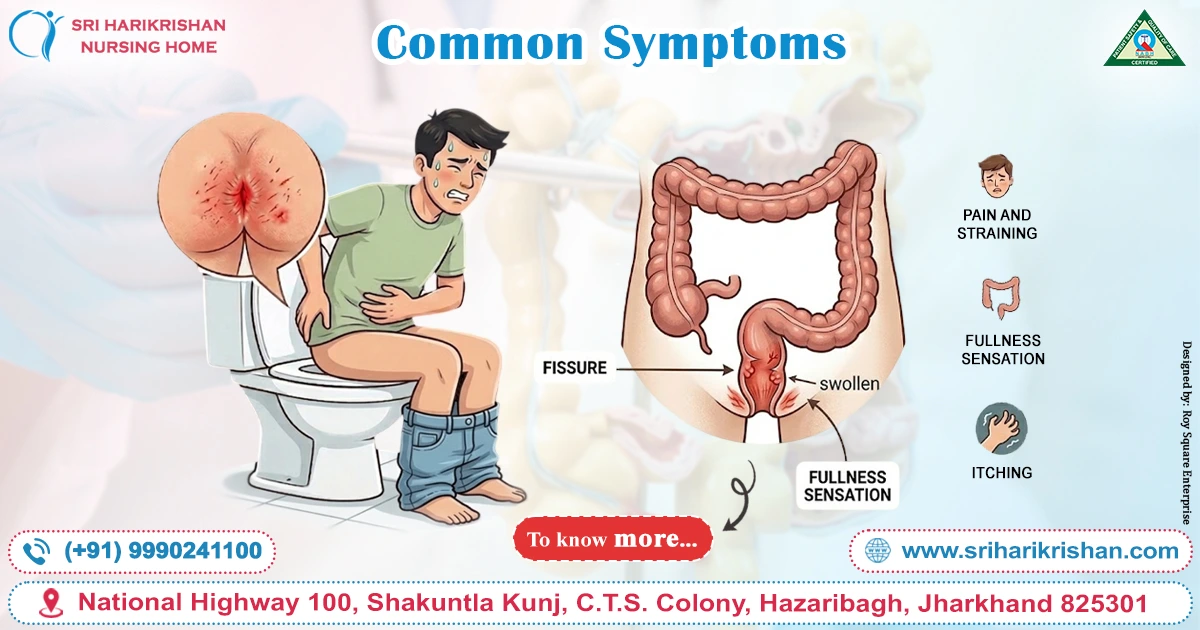
4. Common Symptoms
- Pain during or after passing stool
- Bleeding from the anus
- Itching or irritation
- Swelling or lumps
- Discharge (especially in fistula cases)
5. Diagnosis Methods
- Physical examination
- Digital rectal examination
- Proctoscopy or anoscopy
- Imaging tests (if required)
A proper diagnosis ensures the right treatment plan and faster recovery.
6. Treatment Options
Non-Surgical Treatment
- High-fiber diet
- Medications
- Sitz bath
- Lifestyle changes
Surgical Treatment
- Laser surgery for piles
- Fissure surgery (LIS)
- Fistula surgery
- Minimally invasive endoscopic procedures
At Shri Harikrishan Nursing Home, Hazaribagh, advanced techniques are used for safe and effective treatment under the expertise of Dr. Satveer Singh, Consultant Surgical Oncologist (Breast), Proctologist, Endoscopic Surgeon, Laparoscopic & Back Pain Specialist.
7. Complications if Left Untreated
- Chronic pain and discomfort
- Infection spread
- Severe bleeding
- Formation of abscess or fistula
- Increased risk of serious conditions
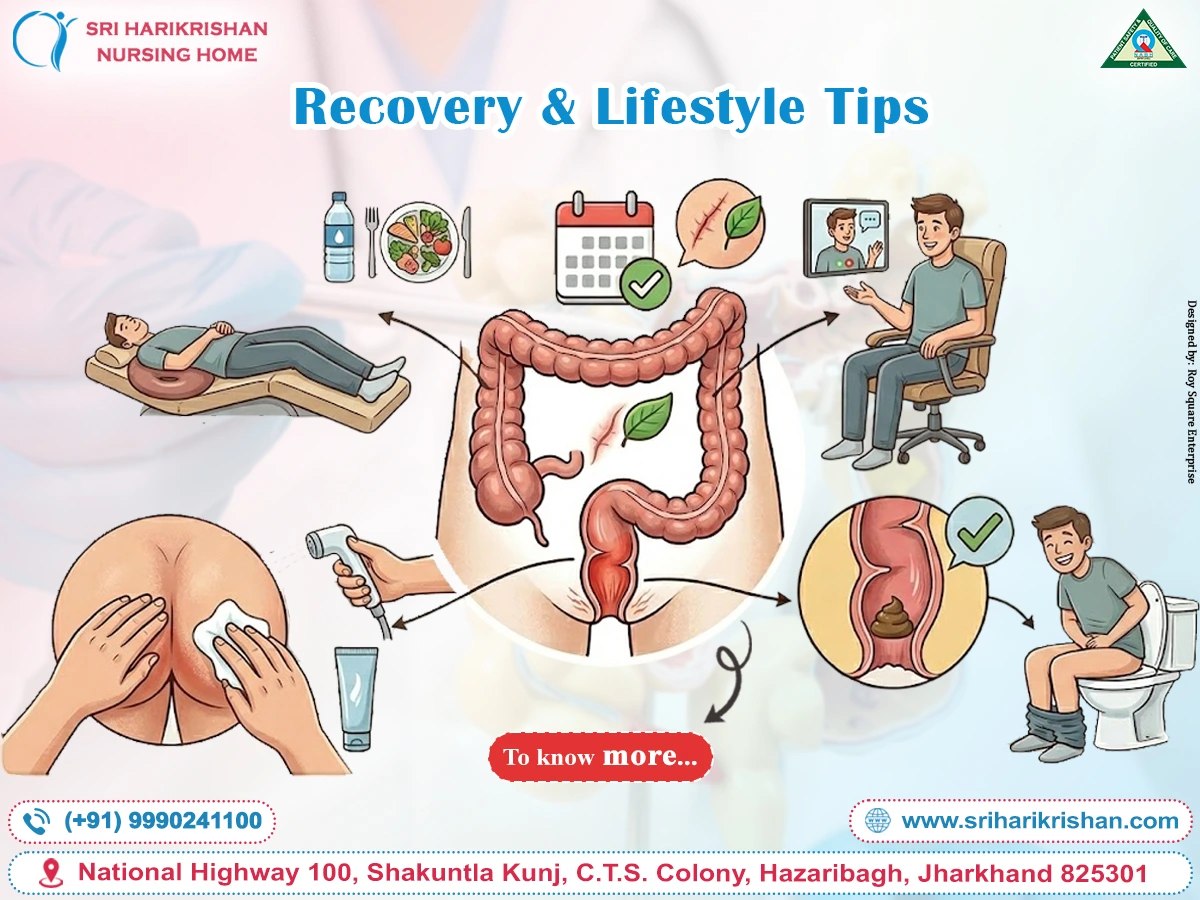
8. Recovery & Lifestyle Tips
- Eat a fiber-rich diet (fruits, vegetables, whole grains)
- Stay hydrated
- Avoid prolonged sitting
- Maintain proper hygiene
- Follow doctor’s advice strictly
Patients treated by Dr. Satveer Singh, Consultant Surgical Oncologist (Breast), Proctologist, Endoscopic Surgeon, Laparoscopic & Back Pain Specialist often experience faster recovery due to advanced care methods.
9. When to See a Doctor
- Persistent pain or bleeding
- Recurring anal infections
- Difficulty in bowel movements
- Any unusual lump or discharge
Early consultation can prevent serious complications and ensure peace of mind.
Why Choose Shri Harikrishan Nursing Home, Hazaribagh
- Experienced specialist care
- Advanced minimally invasive procedures
- Patient-focused treatment approach
- Modern diagnostic facilities
- Trusted name in healthcare
Under the guidance of Dr. Satveer Singh, Consultant Surgical Oncologist (Breast), Proctologist, Endoscopic Surgeon, Laparoscopic & Back Pain Specialist, patients receive expert care with compassion and precision.
Conclusion
Anal canal diseases are treatable, especially when detected early. Ignoring symptoms can lead to complications, but timely medical attention ensures a smooth recovery and better quality of life. If you are experiencing any symptoms, don’t hesitate to seek expert care and take the first step toward better health.
1. Is anal canal disease serious?
Yes, if untreated, it can lead to complications, but early treatment is highly effective.
2. What is the most common anal disease?
Hemorrhoids (piles) are the most common.
3. Can anal fissures heal without surgery?
Yes, mild cases can heal with medication and lifestyle changes.
4. Is surgery always required?
No, many conditions can be managed without surgery.
5. Is anal cancer common?
It is rare but requires early diagnosis.
6. How long does recovery take after surgery?
Usually a few days to a few weeks depending on the procedure.
7. What foods help prevent anal diseases?
High-fiber foods like fruits, vegetables, and whole grains.
8. Can sitting too long cause anal problems?
Yes, prolonged sitting increases risk.
9. Are laser treatments safe?
Yes, they are minimally invasive and highly effective.
10. Who should I consult for treatment?
A qualified specialist Dr. Satveer Singh at Shri Harikrishan Nursing Home, Hazaribagh.