
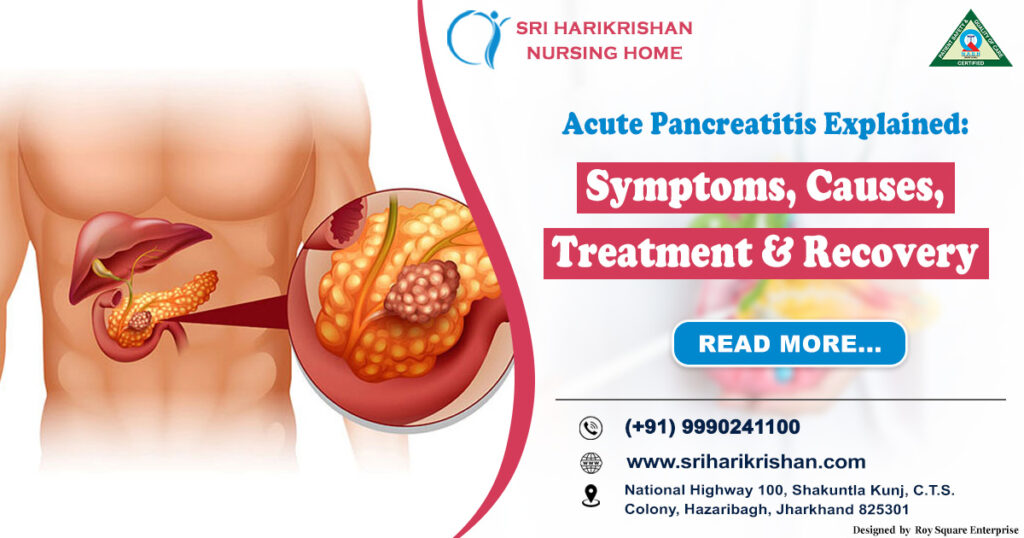
Acute pancreatitis is a sudden inflammation of the pancreas that can cause severe abdominal pain and serious health complications if not treated on time. Many people ignore early symptoms such as abdominal discomfort, nausea, or vomiting, assuming it is simple indigestion. However, timely diagnosis and medical care can prevent complications and help patients recover quickly.
In this comprehensive guide, we will explain everything you need to know about acute pancreatitis — from symptoms and causes to diagnosis, treatment, and recovery.
1. What Is Acute Pancreatitis?
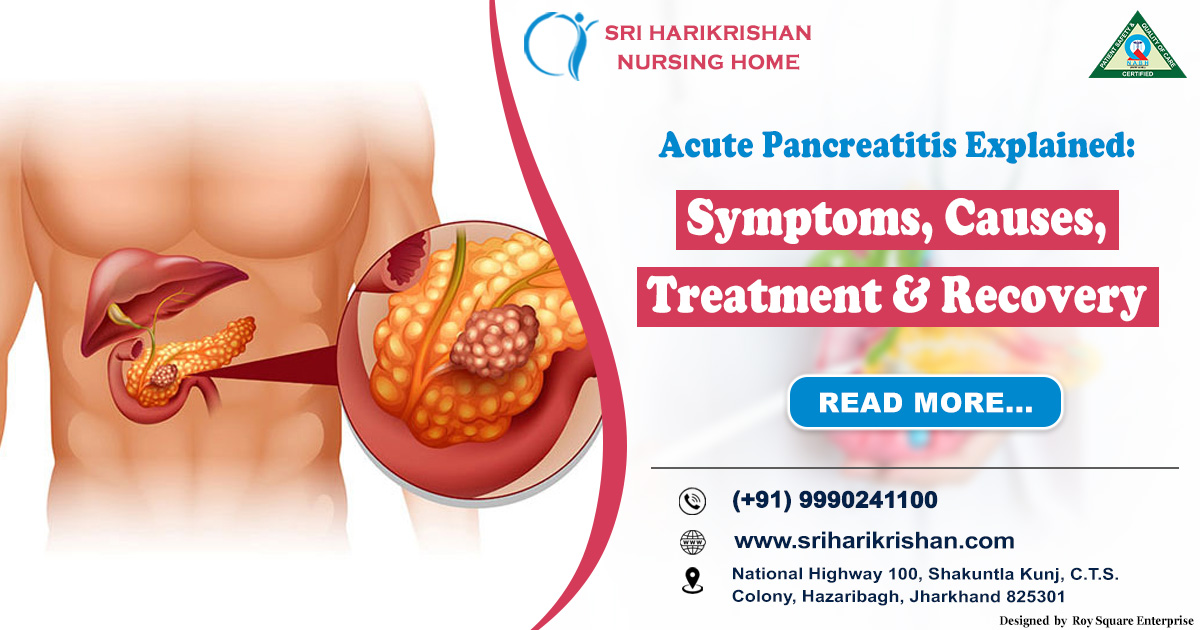
Acute pancreatitis is a sudden inflammation of the pancreas, a vital organ located behind the stomach
When the pancreas becomes inflamed, digestive enzymes can start attacking the pancreatic tissue itself, leading to pain, swelling, and sometimes serious complications.
Acute pancreatitis usually develops suddenly and may range from mild discomfort to a life-threatening condition if not treated promptly.
2. Why the Pancreas Is Important
The pancreas plays two major roles in the body:
Digestive Function
The pancreas releases digestive enzymes into the small intestine to help break down fats, proteins, and carbohydrates.
Hormonal Function
If the pancreas becomes inflamed, both digestion and blood sugar regulation may be affected.
3. Common Symptoms of Acute Pancreatitis
Symptoms of acute pancreatitis often appear suddenly and may worsen over time.
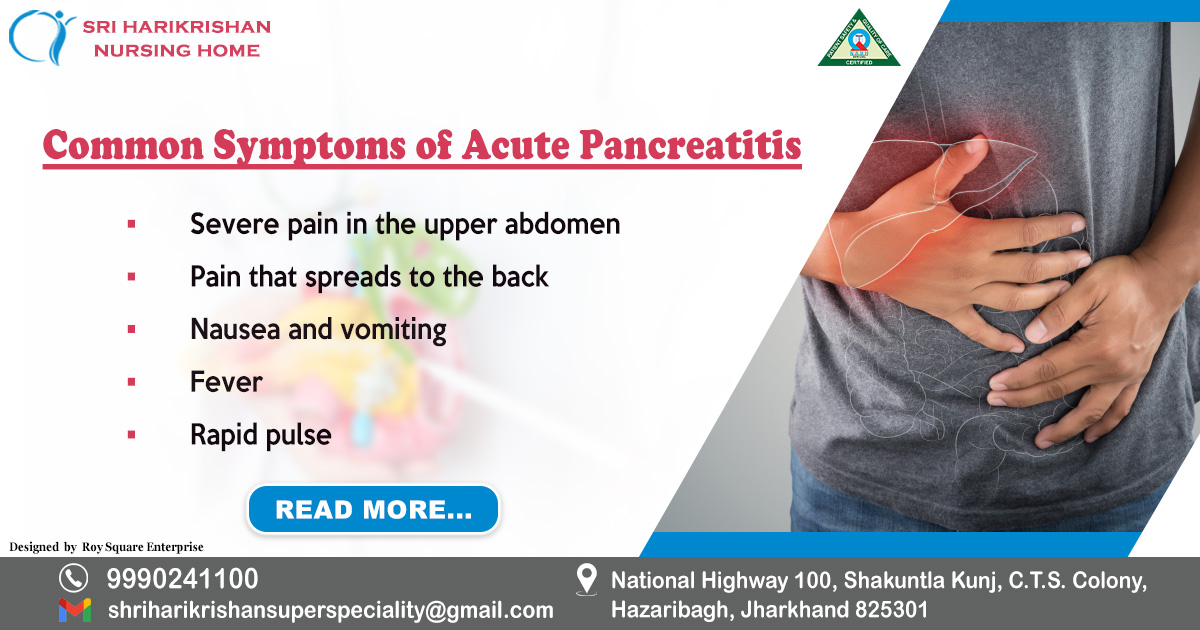
Common symptoms include:
- Severe pain in the upper abdomen
- Pain that spreads to the back
- Nausea and vomiting
- Fever
- Rapid pulse
- Swollen or tender abdomen
- Loss of appetite
- Indigestion or bloating
The abdominal pain usually becomes worse after eating, especially fatty meals.
4. Major Causes of Acute Pancreatitis
Several factors can trigger inflammation of the pancreas.
Gallstones
Gallstones are one of the most common causes. They can block the pancreatic duct and trigger inflammation.
Excessive Alcohol Consumption
Heavy alcohol use over time can damage pancreatic cells.
High Triglyceride Levels
Very high levels of fats in the blood may trigger pancreatitis.
Certain Medications
Some medicines may cause pancreatic inflammation as a side effect.
Abdominal Injury
Trauma or injury to the abdomen can sometimes damage the pancreas.
5. Risk Factors
Certain factors increase the likelihood of developing acute pancreatitis.
- Excess alcohol consumption
- Obesity
- Smoking
- High cholesterol or triglyceride levels
- Gallbladder disease
- Family history of pancreatic disorders
- Uncontrolled diabetes
People with these risk factors should be extra cautious and seek medical advice if symptoms appear.
6. Warning Signs That Require Immediate Medical Attention
Acute pancreatitis can become dangerous if ignored,
- Persistent vomiting
- High fever
- Difficulty breathing
- Severe weakness
- Yellowing of skin or eyes (jaundice)
7. How Acute Pancreatitis Is Diagnosed
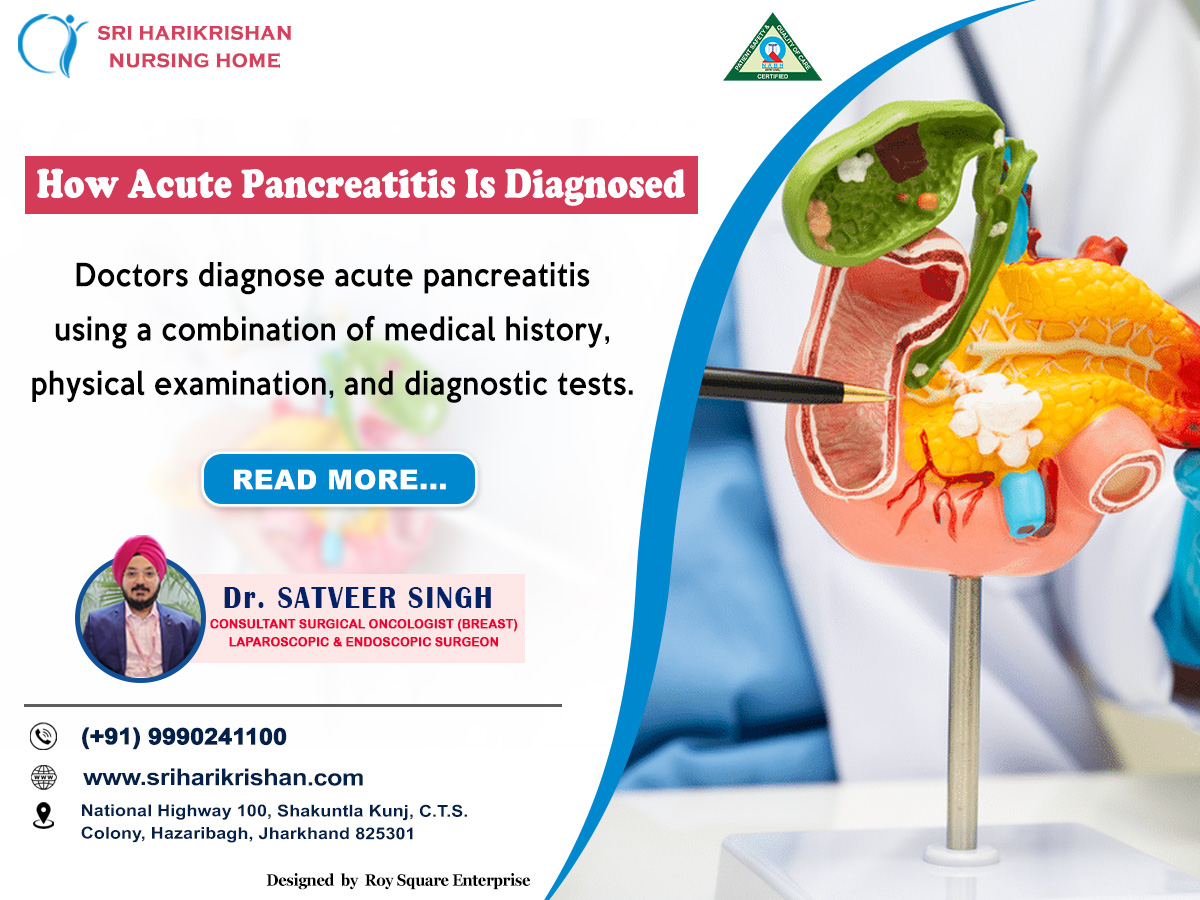
Doctors diagnose acute pancreatitis using a combination of medical history, physical examination, and diagnostic tests.
Blood Tests
Blood tests help detect elevated pancreatic enzymes such as amylase and lipase.
Imaging Tests
Imaging helps confirm inflammation and identify possible causes.
Common tests include:
- Ultrasound
- CT scan
- MRI scan
Specialists such as Dr. Satveer Singh carefully evaluate these reports to determine the most appropriate treatment plan.
8. Treatment Options for Acute Pancreatitis
Treatment depends on the severity of the condition.
Hospital Care
Most patients require hospital admission for monitoring and supportive care.
Pain Management
Medications are given to control severe abdominal pain.
Nutritional Support
Patients may initially need to avoid solid foods until inflammation reduces.
Surgical or Endoscopic Treatment
If gallstones or blockages are the cause, minimally invasive procedures may be required.
Experienced specialists like Dr. Satveer Singh use advanced endoscopic and laparoscopic techniques to manage complicated cases safely.
9. Recovery and Healing
Recovery from acute pancreatitis depends on the severity of the condition.
Most mild cases recover within a few days with proper medical care.
Important recovery tips
- Follow a healthy low-fat diet
- Avoid alcohol completely
- Stay hydrated
- Maintain a healthy weight
- Attend regular follow-up checkups
Under expert medical supervision, patients can achieve full recovery and prevent recurrence.
10. Importance of Early Medical Care
Early diagnosis and treatment play a critical role in preventing complications such as:
- Pancreatic infection
- Organ failure
- Pancreatic cysts
- Chronic pancreatitis
Consulting experienced doctors early can make treatment easier and recovery faster.
Experts like Dr. Satveer Singh, Consultant Surgical Oncologist (Breast), Proctologist, Endoscopic Surgeon, Laparoscopic & Back Pain Specialist, provide comprehensive care and advanced treatment options for patients suffering from pancreatic and gastrointestinal conditions.
Conclusion
Acute pancreatitis is a serious but treatable medical condition. Recognizing the symptoms early and seeking timely medical care can prevent complications and save lives.
With proper diagnosis, advanced treatment, and lifestyle changes, most patients recover successfully and return to normal life.
If you experience severe abdominal pain or symptoms related to pancreatitis, consulting a specialist at the right time is extremely important.
Why Choose Shri Harikrishan Nursing Home, Hazaribagh
Shri Harikrishan Nursing Home is known for providing reliable and patient-focused medical care.
Key reasons to choose this hospital:
- Experienced specialists and surgeons
- Advanced diagnostic facilities
- Modern surgical and endoscopic treatment
- Patient-centered compassionate care
- Safe and hygienic medical environment
Under the expert guidance of Dr. Satveer Singh, patients receive high-quality treatment for pancreatic disorders and many other surgical conditions.
1. Is acute pancreatitis dangerous?
Yes, if untreated it can lead to severe complications, but early treatment usually results in full recovery.
2. How long does recovery take?
Mild cases recover within a few days, while severe cases may take weeks.
3. Can pancreatitis happen again?
Yes, especially if the underlying cause such as alcohol use or gallstones is not treated.
4. Is surgery always required?
Most cases are treated with medications and supportive care. Surgery is needed only in certain conditions.
7. Is pancreatitis related to gallstones?
Yes, gallstones are one of the most common causes.
8. Who is at higher risk?
People with obesity, alcohol use, gallstones, or high triglyceride levels.
9. Can lifestyle changes prevent pancreatitis?
Yes, maintaining a healthy diet and avoiding alcohol significantly reduces risk.
10. When should I see a doctor?
If you experience severe abdominal pain, persistent vomiting, or fever.