

Appendix surgery, also known as appendectomy, is one of the most common and life-saving surgical procedures performed worldwide. When appendicitis occurs, timely diagnosis and treatment are essential to prevent serious complications. This guide explains everything you need to know about appendix surgery in a clear, reader-friendly way—from symptoms and causes to recovery and expert care.

What is Appendix Surgery?
Appendix surgery (appendectomy) is a surgical procedure performed to remove the appendix when it becomes inflamed or infected.. Although it has no essential function in the body, infection in this organ can become dangerous if untreated.
Appendicitis is considered a medical emergency, and surgery is usually the safest and most effective treatment.
Modern medical techniques, especially laparoscopic surgery, have made appendix removal safer, faster, and less painful than traditional methods.
Common Symptoms of Appendicitis
Recognizing symptoms early can prevent complications. The most common signs include:
- Loss of appetite
- Nausea or vomiting
- Fever and chills
- Abdominal swelling
- Pain while walking, coughing, or sneezing
- Constipation or diarrhea in some cases
If these symptoms persist or worsen, immediate medical consultation is necessary.
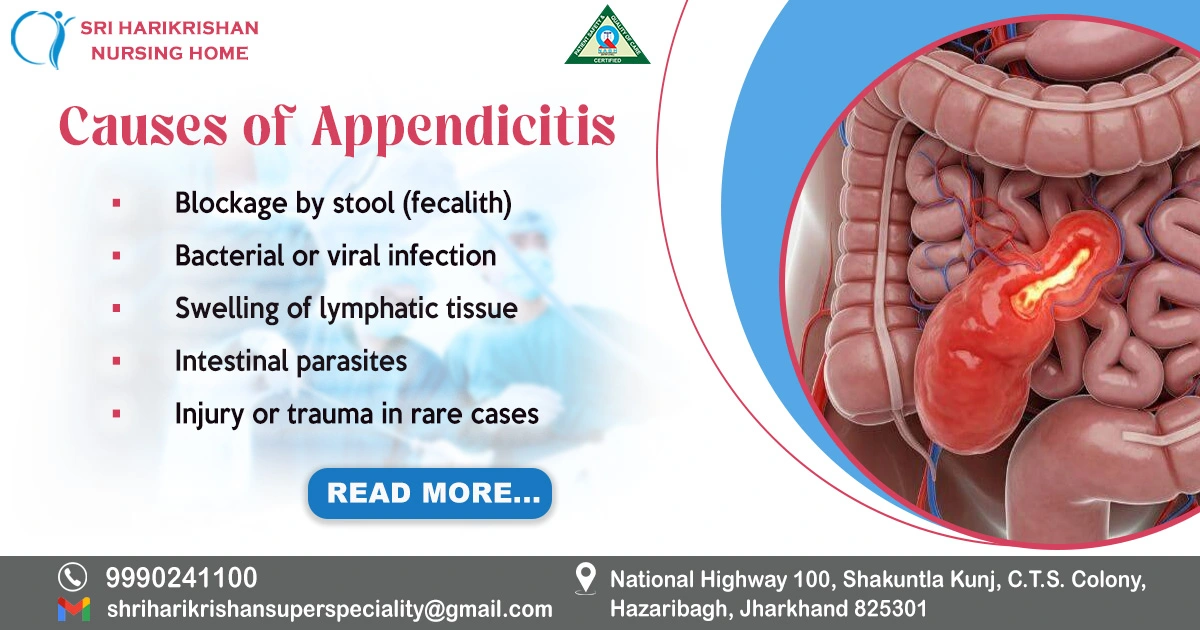
Causes of Appendicitis
Appendicitis usually occurs when the appendix becomes blocked or infected. Some common causes include:
- Blockage by stool (fecalith)
- Bacterial or viral infection
- Swelling of lymphatic tissue
- Intestinal parasites
- Injury or trauma in rare cases
Once blocked, bacteria multiply rapidly, leading to inflammation and infection.
Types of Appendix Surgery
1. Laparoscopic Appendectomy
This is a minimally invasive procedure performed using small incisions and a camera. It is the most preferred method today due to faster recovery and reduced pain.
2. Open Appendectomy
This method involves a larger incision and may be recommended in cases where:
- The appendix has ruptured
- Severe infection is present
- Scar tissue or complications exist
Both procedures are safe when performed by an experienced surgeon.
Laparoscopic Appendix Surgery – Step by Step
Understanding the process can reduce anxiety for patients and families.
Step 1: Preparation
The patient is given anesthesia to ensure a painless procedure.
Step 2: Small Incisions
Three small incisions are made in the abdomen.
Step 3: Insertion of Laparoscope
A thin tube with a camera helps the surgeon view the internal organs clearly.
Step 4: Removal of Appendix
Special surgical instruments are used to remove the infected appendix.
Step 5: Closing the Incisions
The incisions are closed with sutures or surgical glue.
The entire procedure usually takes 30 to 60 minutes in most cases.
Benefits of Laparoscopic Appendix Surgery
Laparoscopic surgery offers several advantages:
- Smaller scars
- Less postoperative pain
- Shorter hospital stay
- Faster return to daily activities
- Lower risk of infection
- Minimal blood loss
These benefits make laparoscopic appendectomy the preferred choice whenever possible.
Recovery After Appendix Surgery
Recovery time varies depending on the patient’s health and type of surgery.
General Recovery Timeline:
- Walking: within 24 hours
- Light activities: within 3–5 days
- Return to work: 1–2 weeks (laparoscopic cases)
- Full recovery: 2–4 weeks
Doctors usually advise:
- Eating light, easily digestible food
- Drinking plenty of fluids
- Avoiding heavy lifting for a few weeks
Regular follow-ups ensure proper healing.
Risks of Delaying Appendix Surgery
Ignoring symptoms or delaying treatment can lead to serious complications:
- Ruptured appendix
- Peritonitis (infection of the abdominal lining)
- Abscess formation
- Severe infection spreading to other organs
These conditions may require emergency surgery and longer recovery.
Post-Surgery Care Tips
Following proper care after surgery helps in faster healing:
- Keep the surgical site clean and dry
- Take prescribed medications regularly
- Avoid strenuous physical activity
- Eat a balanced diet rich in protein
- Attend all follow-up appointments
Patients should contact a doctor immediately if they experience:
- Persistent fever
- Increasing pain
- Redness or discharge from the incision
Role of a Specialist in Appendix Surgery
Appendix surgery requires precise diagnosis and skilled surgical technique. An experienced specialist ensures:
- Accurate diagnosis
- Selection of the best surgical method
- Safe anesthesia and surgical care
- Faster recovery and reduced complications
Dr. Satveer Singh, consultant Surgical Oncologist (Breast), Proctologist, Endoscopic Surgeon, Laparoscopic & Back Pain Specialist at Shri Harikrishan Nursing Home, Hazaribagh, is known for his expertise in advanced laparoscopic procedures and patient-centered surgical care.
With proper evaluation and modern surgical techniques, specialist Dr. Satveer Singh help patients recover quickly and safely.
Choosing an experienced surgeon significantly improves outcomes and reduces risks.

Why Choose Shri Harikrishan Nursing Home, Hazaribagh?
Selecting the right hospital plays a vital role in successful treatment and recovery.
Key advantages include:
- Experienced surgical specialists
- Advanced laparoscopic equipment
- Patient-focused care
- Safe and hygienic environment
- Affordable treatment options
- Personalized recovery guidance
Under the expert care of Dr. Satveer Singh, consultant Surgical Oncologist (Breast), Proctologist, Endoscopic Surgeon, Laparoscopic & Back Pain Specialist, patients receive reliable diagnosis, skilled surgery, and comprehensive postoperative support.
Conclusion:
Appendix surgery is a safe and effective procedure when performed on time. Recognizing symptoms early, consulting a specialist, and following proper recovery guidelines can ensure a smooth and healthy return to normal life.
Modern laparoscopic techniques have made appendectomy quicker, safer, and far less stressful for patients. With experienced specialists and proper care, recovery is usually fast and complication-free.
1. Is appendix surgery painful?
No. Surgery is performed under anesthesia, so patients do not feel pain during the procedure.
2. How long does appendix surgery take?
Usually between 30 minutes to 1 hour.
3. How many days is hospital stay required?
Most laparoscopic cases require 1–2 days of hospitalization.
4. Can appendicitis be treated without surgery?
In some mild cases antibiotics may help, but surgery is usually the safest and permanent treatment.
5. How soon can I walk after surgery?
Patients are usually encouraged to walk within 24 hours.
6. Are there any long-term effects after appendix removal?
No major long-term effects occur in most patients.
7. What foods should be avoided after surgery?
Spicy, oily, and heavy foods should be avoided initially.