
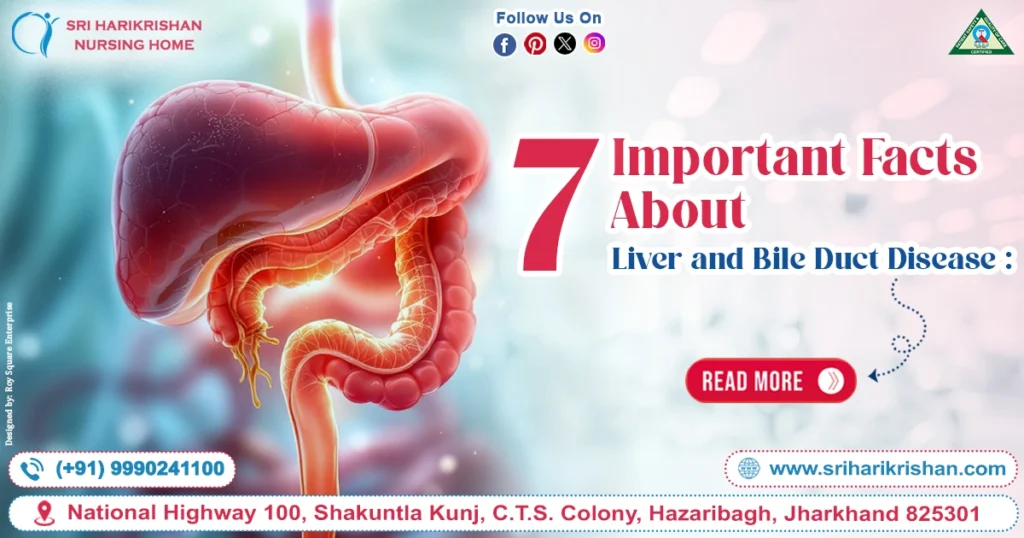
Introduction to Liver and Bile Duct Disease
The liver is one of the most important organs in the human body. It performs hundreds of essential functions, including filtering toxins, producing bile, aiding digestion, and regulating metabolism. The bile ducts are small tubes that carry bile from the liver to the gallbladder and intestine.
When either the liver or bile ducts become diseased, the body’s ability to digest food and eliminate waste can be seriously affected. Early diagnosis and proper treatment can help prevent complications and improve quality of life.
Understanding the Liver and Biliary System
This bile travels through the biliary system, which includes:
- Liver
- Gallbladder
- Bile ducts
- Small intestine
Together, these organs ensure smooth digestion and proper absorption of nutrients. Any blockage, infection, inflammation, or damage in this system can lead to liver and bile duct diseases.
Common Types of Liver Diseases
Some of the most common liver conditions include:
Fatty Liver Disease
Excess fat accumulates in liver cells, affecting liver function.
Hepatitis
Inflammation of the liver caused by viruses, alcohol, or autoimmune disorders.
Liver Cirrhosis
Permanent scarring of liver tissue that affects liver performance.
Liver Cancer
A serious condition that requires specialized treatment and monitoring.
Alcohol-Related Liver Disease
Caused by excessive alcohol consumption over time.
Common Types of Bile Duct Diseases
Bile Duct Stones
Stones that move from the gallbladder into the bile ducts.
Cholangitis
A bacterial infection of the bile ducts that requires urgent treatment.
Cholestasis
Reduced or blocked bile flow from the liver.
Bile Duct Stricture
Narrowing of the bile duct due to inflammation or injury.
Bile Duct Cancer
A rare but serious cancer affecting the biliary tract.
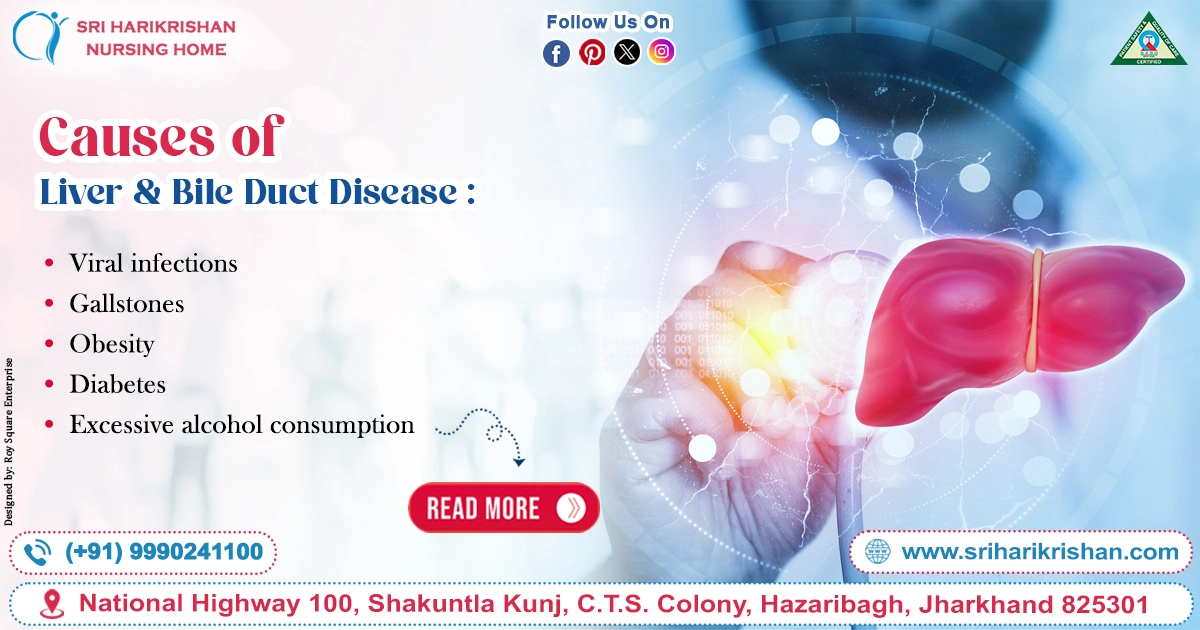
Causes of Liver and Bile Duct Disease
Several factors may contribute to these conditions:
- Viral infections
- Gallstones
- Obesity
- Diabetes
- Excessive alcohol consumption
- Smoking
- Genetic disorders
- Autoimmune diseases
- Poor dietary habits
- Certain medications
Understanding these causes helps in early prevention and treatment.
Symptoms of Liver and Bile Duct Disease
Symptoms vary depending on the severity of the disease but commonly include:
- Jaundice (yellowing of skin and eyes)
- Abdominal pain
- Nausea and vomiting
- Fatigue
- Loss of appetite
- Dark urine
- Pale-colored stools
- Unexplained weight loss
- Fever and chills
- Itchy skin
If these symptoms persist, medical evaluation should not be delayed.
Risk Factors You Should Know
Certain individuals are more likely to develop liver and bile duct disorders.
Major risk factors include:
- Obesity
- Family history of liver disease
- Diabetes
- High cholesterol
- Alcohol abuse
- Smoking
- Chronic viral hepatitis
- Poor nutrition
- Sedentary lifestyle
Treatment Options for Liver and Bile Duct Disease
Lifestyle Modifications
- Healthy diet
- Weight management
- Regular exercise
- Avoiding alcohol
Medications
Doctors may prescribe medicines to treat infections, inflammation, or specific liver conditions.
Endoscopic Procedures
Advanced endoscopic techniques can diagnose and treat bile duct blockages without major surgery.
Laparoscopic Surgery
Minimally invasive procedures offer faster recovery and less pain.
Surgical Treatment
In complex cases involving tumors, severe blockages, or cancer, surgery may be necessary.
At Shri Harikrishan Nursing Home, Hazaribagh, patients receive expert evaluation from Dr. Satveer Singh, Consultant Surgical Oncologist (Breast), Proctologist, Endoscopic Surgeon, Laparoscopic & Back Pain Specialist, who specializes in advanced surgical care and minimally invasive procedures.
When Is Surgery Required?
Surgery may be recommended when:
- Bile duct stones cannot be removed endoscopically
- Bile duct cancer is detected
- Liver tumors are present
- Severe bile duct blockage occurs
- Chronic infections repeatedly recur
- Gallstones cause complications
Early surgical intervention often improves long-term outcomes and reduces complications.
Patients requiring specialized treatment can consult Dr. Satveer Singh, Consultant Surgical Oncologist (Breast), Proctologist, Endoscopic Surgeon, Laparoscopic & Back Pain Specialist at Shri Harikrishan Nursing Home, Hazaribagh for comprehensive evaluation and management.
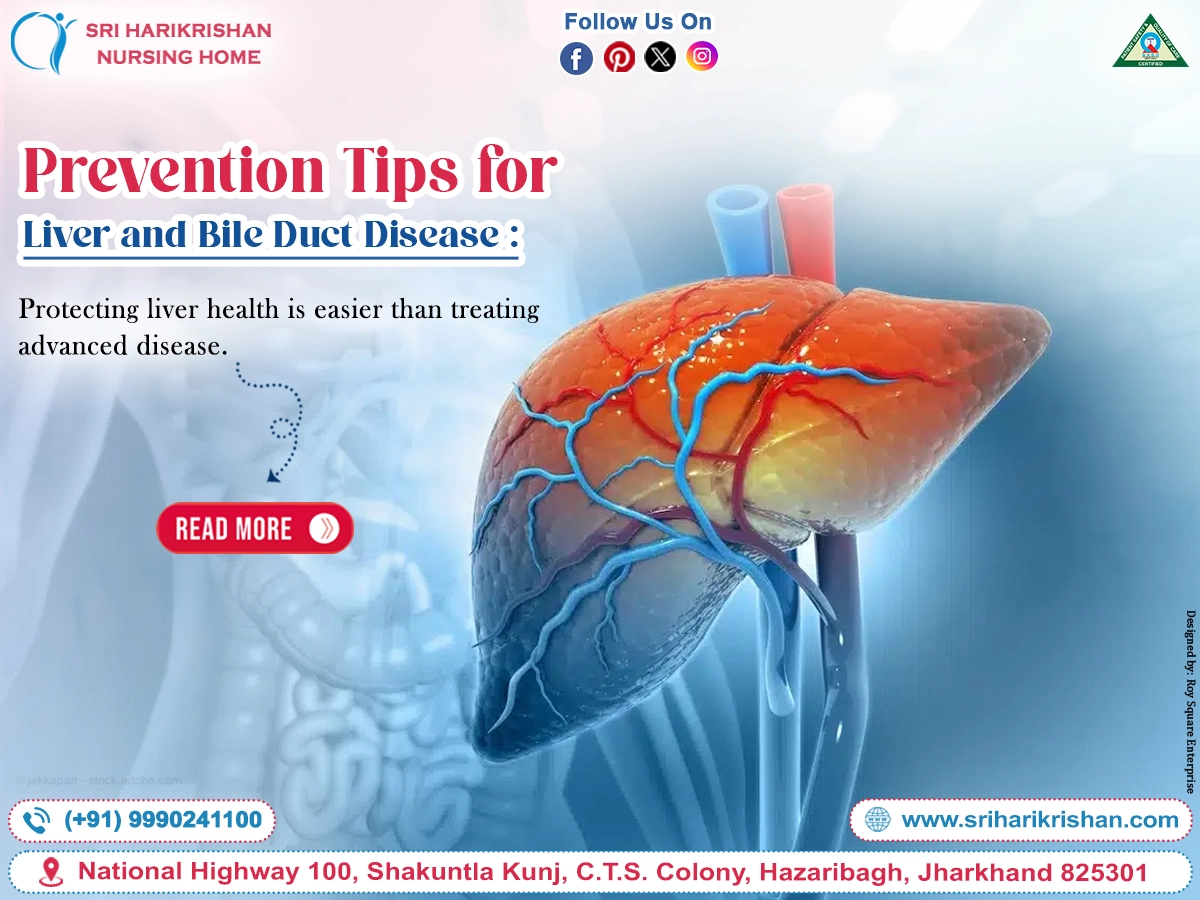
Prevention Tips for Liver and Bile Duct Disease
Protecting liver health is easier than treating advanced disease.
Follow these preventive measures:
- Eat a balanced diet
- Maintain a healthy weight
- Stay physically active
- Avoid excessive alcohol
- Quit smoking
- Control diabetes
- Get vaccinated against Hepatitis A and B
- Drink adequate water
- Schedule routine health check-ups
Why Choose Shri Harikrishan Nursing Home, Hazaribagh?
Shri Harikrishan Nursing Home is committed to delivering quality healthcare with a patient-centered approach.
Our Strengths
- Experienced specialists
- Advanced diagnostic facilities
- Modern surgical techniques
- Personalized treatment plans
- Compassionate patient care
- Focus on safety and faster recovery
Under the guidance of Dr. Satveer Singh, Consultant Surgical Oncologist (Breast), Proctologist, Endoscopic Surgeon, Laparoscopic & Back Pain Specialist, patients receive expert care for liver, bile duct, gastrointestinal, and surgical conditions.
Conclusion
Liver and bile duct diseases can significantly affect overall health if left untreated. Recognizing symptoms early, understanding risk factors, and seeking timely medical attention are crucial for successful treatment and recovery.
With modern diagnostic tools, advanced endoscopic procedures, laparoscopic surgery, and expert medical care, most liver and bile duct conditions can be effectively managed. If you experience persistent symptoms, consult a specialist without delay.
1. What is bile duct disease?
Bile duct disease refers to conditions that affect the tubes carrying bile from the liver to the intestine.
2. What causes bile duct blockage?
Gallstones, tumors, inflammation, and scar tissue are common causes.
3. Can liver disease be cured?
Some liver diseases are reversible when diagnosed and treated early.
4. Is jaundice always related to liver disease?
No, but it is often associated with liver or bile duct problems.
5. What are the first signs of liver disease?
Fatigue, loss of appetite, abdominal discomfort, and jaundice are common early symptoms.
6. Can gallstones affect the bile duct?
Yes. Gallstones can migrate into the bile duct and cause blockage.
7. Is surgery always required?
No. Many cases can be treated with medications or endoscopic procedures.
8. How is bile duct cancer diagnosed?
Through imaging tests, blood tests, endoscopy, and biopsy.
9. How can I keep my liver healthy?
Maintain a healthy lifestyle, avoid excessive alcohol, and undergo regular health screenings.
10. When should I see a doctor?
Seek medical attention if you experience jaundice, severe abdominal pain, unexplained weight loss, or persistent digestive problems.