
Introduction
Acid reflux and excessive gas are among the most common digestive complaints affecting people of all ages. While occasional symptoms may not be a cause for concern, frequent heartburn, bloating, burping, and abdominal discomfort can significantly impact daily life. Understanding the causes, symptoms, and treatment options can help you regain digestive comfort and prevent long-term complications.
At Shri Harikrishan Nursing Home, Hazaribagh, patients receive comprehensive evaluation and advanced treatment for digestive disorders under the expert guidance of Dr. Satveer Singh, Consultant Surgical Oncologist (Breast), Proctologist, Endoscopic Surgeon, Laparoscopic & Back Pain Specialist.
Table of Contents
1. What is Acid Reflux?
Acid reflux occurs when stomach acid flows backward into the food pipe (esophagus). This happens when the lower esophageal sphincter becomes weak or relaxes inappropriately.
Occasional acid reflux is common, but frequent episodes may indicate Gastroesophageal Reflux Disease (GERD), a chronic digestive condition requiring medical attention.
Common Features:
- Burning sensation in the chest (heartburn)
- Sour taste in the mouth
- Regurgitation of food or acid
- Difficulty swallowing
2. What Causes Acid Reflux and Gas?
Several lifestyle and medical factors can contribute to acid reflux and excessive gas formation.
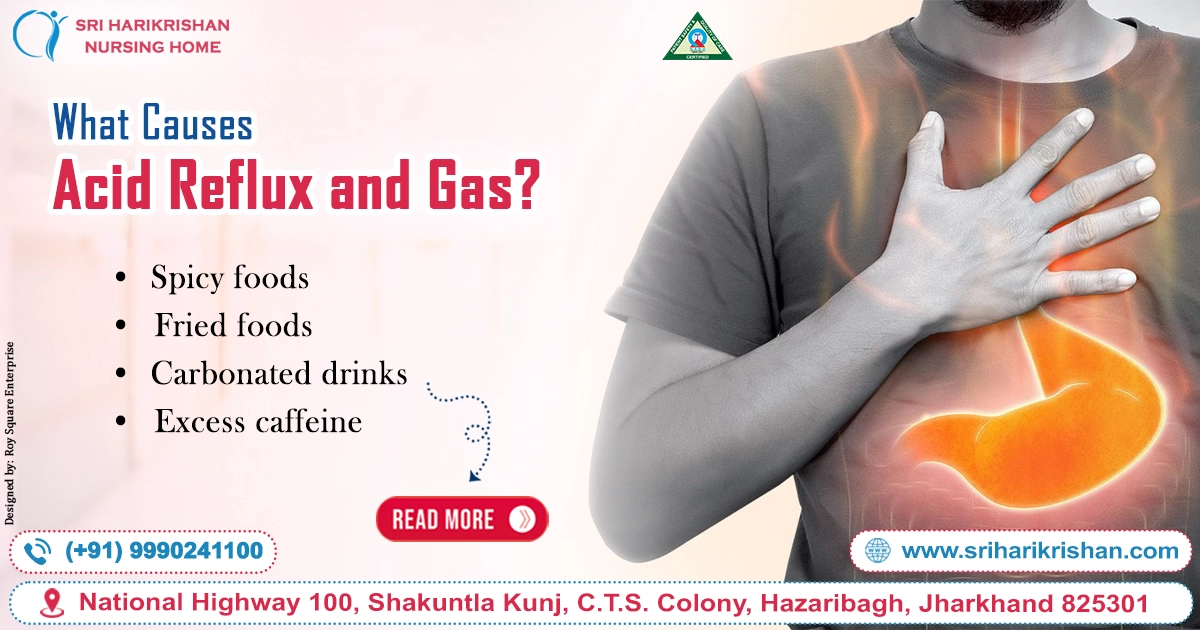
Common Causes
Dietary Factors
- Spicy foods
- Fried foods
- Carbonated drinks
- Excess caffeine
- Chocolate
- Citrus fruits
Lifestyle Factors
- Smoking
- Alcohol consumption
- Overeating
- Eating late at night
- Lack of physical activity
Medical Conditions
- GERD
- Hiatal hernia
- Gastritis
- Irritable Bowel Syndrome (IBS)
- Obesity
Stress and Anxiety
Stress can slow digestion and worsen both acid reflux and gas-related symptoms.
3. Common Symptoms of Acid Reflux and Gas
Symptoms may vary from person to person.
Acid Reflux Symptoms
- Heartburn
- Chest discomfort
- Sour or bitter taste
- Frequent throat irritation
- Difficulty swallowing
Gas-Related Symptoms
- Bloating
- Excessive burping
- Flatulence
- Abdominal fullness
- Stomach cramps
Many patients experience both conditions simultaneously, making proper diagnosis essential.
4. Warning Signs You Should Never Ignore
Seek medical attention if you experience:
- Persistent heartburn
- Difficulty swallowing
- Unexplained weight loss
- Vomiting blood
- Black stools
- Severe abdominal pain
- Chest pain that mimics a heart problem
These symptoms may indicate serious digestive conditions requiring immediate evaluation.
5. Foods That Trigger Acid Reflux and Gas
Avoiding trigger foods can significantly reduce symptoms.
Common Trigger Foods
- Fried foods
- Fast food
- Spicy curries
- Tomatoes
- Citrus fruits
- Chocolate
- Coffee
- Carbonated beverages
- Onions
- Garlic
- Processed snacks
Keeping a food diary can help identify personal triggers.
6. Best Foods to Reduce Acid Reflux and Gas
Certain foods support healthy digestion and reduce irritation.
Recommended Foods
Fruits
- Bananas
- Melons
- Apples
Vegetables
- Cucumbers
- Carrots
- Leafy greens
Whole Grains
- Oatmeal
- Brown rice
Protein Sources
- Skinless chicken
- Fish
- Eggs
Digestive Helpers
- Ginger
- Yogurt with probiotics
- Herbal teas
7. Medical Treatments for Acid Reflux and Gas
Treatment depends on the underlying cause and severity of symptoms.
Medications
Antacids
Provide quick relief by neutralizing stomach acid.
H2 Blockers
Reduce acid production in the stomach.
Proton Pump Inhibitors (PPIs)
Commonly prescribed for moderate to severe GERD.
Simethicone
Helps reduce gas bubbles and bloating.
Probiotics
Support healthy gut bacteria and digestion.
Endoscopic Procedures
Patients with chronic symptoms may benefit from advanced diagnostic and therapeutic endoscopic procedures.
At Shri Harikrishan Nursing Home, Hazaribagh, Dr. Satveer Singh performs advanced endoscopic evaluations to identify the root cause of persistent digestive symptoms.
Surgical Treatment
In severe GERD cases that do not respond to medication, laparoscopic anti-reflux surgery may be recommended.
Benefits include:
- Long-term symptom relief
- Reduced dependence on medications
- Improved quality of life
8. How Doctors Diagnose Acid Reflux and Gas Problems
Proper diagnosis is crucial for effective treatment.
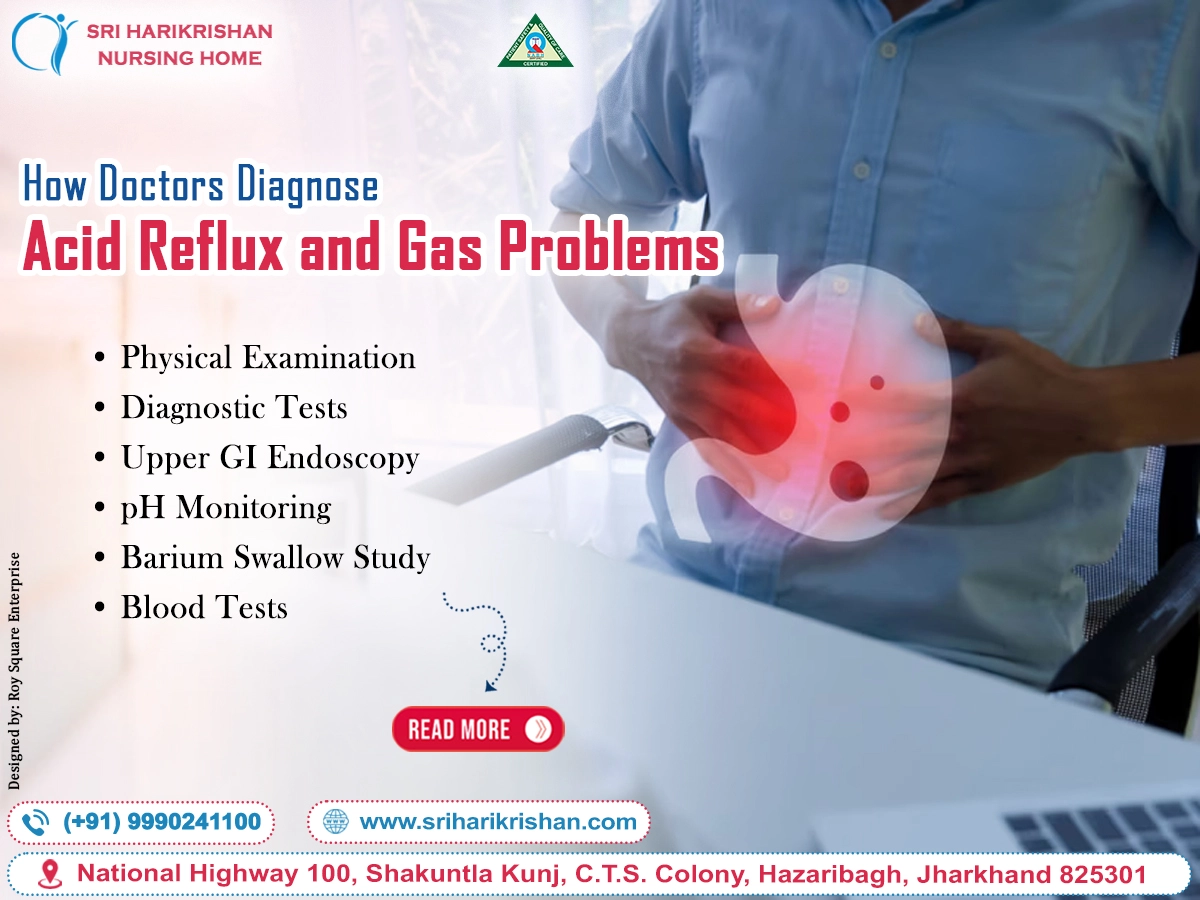
Physical Examination
Doctors assess symptoms, lifestyle habits, and medical history.
Diagnostic Tests
Upper GI Endoscopy
Examines the esophagus, stomach, and upper intestine.
pH Monitoring
Measures acid levels in the esophagus.
Barium Swallow Study
Detects structural abnormalities.
Blood Tests
Identify infections or inflammation.
Ultrasound
Evaluates abdominal organs.
Colonoscopy
May be recommended when lower digestive tract issues are suspected.
According to Dr. Satveer Singh, early diagnosis often prevents complications and helps patients recover faster.
Recovery and Prevention Tips
Lifestyle Changes
- Eat smaller meals
- Avoid lying down after eating
- Maintain a healthy weight
- Exercise regularly
- Stay hydrated
- Avoid smoking
- Limit alcohol intake
Sleeping Position
Elevating the head of the bed can reduce nighttime reflux symptoms.
Stress Management
Yoga, meditation, and relaxation techniques can improve digestive health.
Why Choose Shri Harikrishan Nursing Home, Hazaribagh?
Shri Harikrishan Nursing Home is committed to delivering quality healthcare with a patient-centered approach.
Our Strengths
- Experienced medical team
- Advanced diagnostic facilities
- Modern endoscopic services
- Personalized treatment plans
- Comprehensive digestive care
- Affordable healthcare services
- Focus on patient comfort and safety
Under the expertise of Dr. Satveer Singh, Consultant Surgical Oncologist (Breast), Proctologist, Endoscopic Surgeon, Laparoscopic & Back Pain Specialist, patients receive evidence-based treatment tailored to their individual needs.
Conclusion
Acid reflux and gas may seem like minor digestive issues, but persistent symptoms should never be ignored. Early diagnosis, dietary modifications, lifestyle improvements, and appropriate medical treatment can provide lasting relief and prevent complications.
If you frequently experience heartburn, bloating, or excessive gas, consulting an experienced specialist is the best step toward better digestive health. At Shri Harikrishan Nursing Home, Hazaribagh, Dr. Satveer Singh and his team offer comprehensive care to help patients achieve long-term relief and improved quality of life.
1. What is the main cause of acid reflux?
Weakening of the lower esophageal sphincter is the most common cause.
2. Can gas cause chest discomfort?
Yes, excessive gas can cause pressure and discomfort in the chest area.
3. Is acid reflux the same as GERD?
No. GERD is a chronic and more severe form of acid reflux.
4. Which foods worsen acid reflux?
Spicy foods, fried foods, caffeine, chocolate, and carbonated drinks.
5. Can stress increase acid reflux symptoms?
Yes, stress can worsen digestive symptoms and reflux episodes.
6. How is acid reflux diagnosed?
Doctors may recommend endoscopy, pH monitoring, or imaging studies.
7. When is surgery required for acid reflux?
Surgery may be considered when medications fail to provide adequate relief.
8. Are probiotics helpful for gas problems?
Yes, probiotics can improve gut health and reduce bloating in many patients.
9. Can lifestyle changes cure mild acid reflux?
Many patients experience significant improvement through dietary and lifestyle modifications.
10. When should I see a doctor?
Consult a doctor if symptoms are frequent, severe, or associated with weight loss, bleeding, or swallowing difficulties.